What Is the Best Quartz Material from China?
What Is the Best Quartz Material from China? The answer is less simple than a polished sample suggests. In real sourcing, the right choice depends on composition, intended use, fabrication quality, and supplier control. A bright white slab may look excellent under showroom lights. Yet its edge can chip during cutting, or its color can vary between batches. That has happened in more than one buyer’s project. Small details matter.
The best Quartz Material usually combines stable color, reliable strength, low water absorption, and consistent finishing. Buyers should examine full-size slabs, not only small samples. Check the surface under natural and artificial light. Inspect corners, edges, veining, and resin distribution carefully. Ask manufacturers for technical data, production records, and batch traceability. Independent testing can help verify performance claims. Relevant standards may include ISO quality systems and market-specific countertop requirements. Certifications should be current and easily confirmed. A supplier’s factory experience also matters. Look for clean processing areas, calibrated equipment, documented inspections, and clear packaging procedures. Strong suppliers explain limitations instead of promising perfection. That is important. However, no single Chinese product fits every kitchen, hotel, bathroom, or commercial project. Thickness, slab size, installation methods, climate, and maintenance expectations can change the decision. Buyers should compare several factories before choosing. Price alone can hide future cutting waste, replacement costs, or installation delays. The most dependable choice is not always the cheapest. It is the material supported by transparent evidence, consistent production, and practical after-sales communication. Mistakes remain possible, so careful inspection is still necessary.
Quartz Material Types Commonly Produced in China
China commonly produces several quartz-based materials, but they serve different purposes.
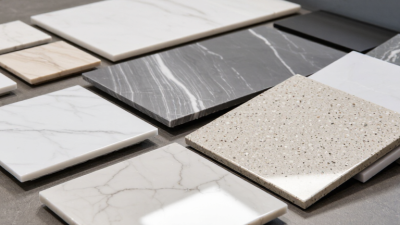
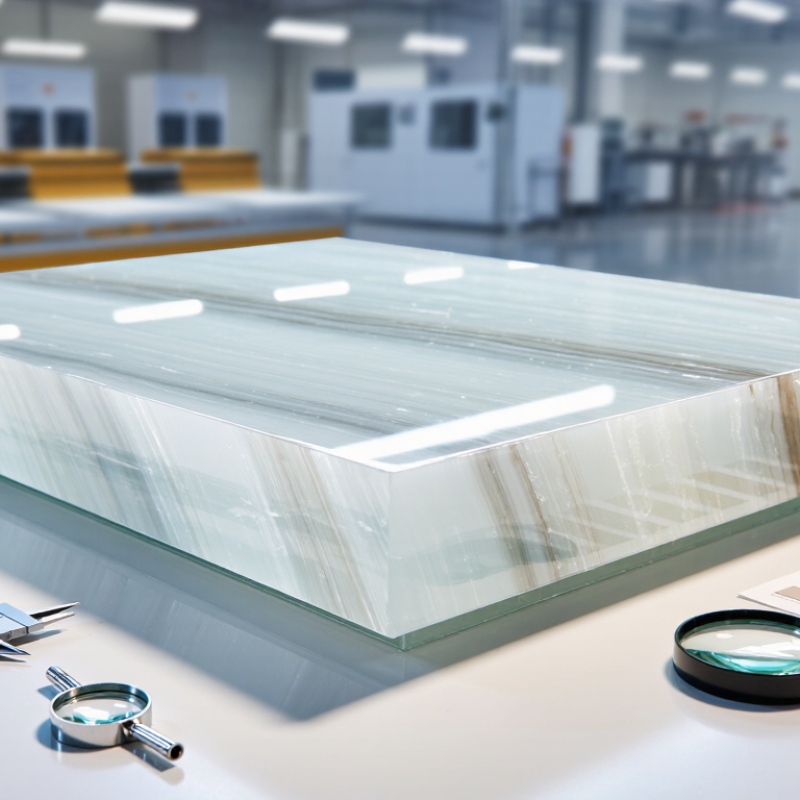
Engineered quartz slabs are the most familiar option for countertops, vanities, and wall panels. They combine graded quartz aggregate with resin, pigments, and controlled pressure. Their surfaces can resemble marble, concrete, or terrazzo. According to Grand View Research’s 2024 engineered stone analysis, the global market is expected to maintain steady growth through 2030, supported by residential renovation and commercial construction. This demand explains China’s broad range of slab sizes, colors, and surface finishes.
Quartz powder and quartz sand are also important Chinese products.
Manufacturers use them in engineered stone, ceramics, glass, coatings, and industrial fillers. The U.S. Geological Survey reported approximately 96 million metric tons of industrial sand and gravel production in the United States during 2023, showing the scale of silica-based material supply. China’s quartz feedstock varies in particle size, whiteness, and impurity level. Those differences affect slab appearance and processing stability.
White is not proof of quality.
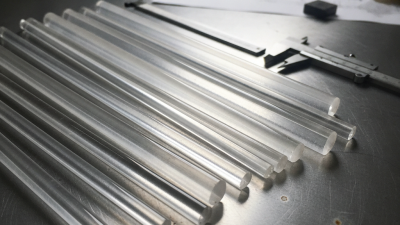
Quartz glass is another specialized category.
It requires high-purity silica and controlled melting, then serves laboratories, lighting, and semiconductor-related equipment. Natural quartzite is different again. It is quarried stone, not resin-bound engineered quartz, and each block may show irregular veining or hidden fissures. In practical sourcing, I would request test data for water absorption, flexural strength, abrasion resistance, and thickness tolerance. EN 14617 and ASTM C170 testing provide useful reference points, though test results do not replace factory inspection. A small sample can look excellent. Full production may still reveal shade variation.
Key Factors for Comparing Chinese Quartz Materials
What Is the Best Quartz Material from China?
Chinese quartz materials should not be judged by price alone. The better comparison includes composition, testing, consistency, and after-sales evidence. Grand View Research estimated the global engineered stone market at about US$27.6 billion in 2023. This growth increases pressure on factories to deliver attractive surfaces quickly. That pressure can create uneven quality. Color consistency matters. Ask for production samples from different batches, not one polished showroom piece.
The U.S. Geological Survey reported approximately 390 million metric tons of global industrial sand and gravel production in 2023. This figure includes many uses, so it does not measure engineered quartz directly. However, it shows why raw-material traceability deserves attention. Compare quartz content, resin proportion, slab thickness, water absorption, flexural strength, and stain resistance. Request independent laboratory reports linked to the exact product code. Check tolerances with calipers, especially around edges and sink cutouts.
Certification also requires careful reading. A compliance document may cover one series, not every color or thickness. Look for testing under relevant ASTM or ISO methods, plus hygiene documentation where food-contact applications matter. Ask whether UV exposure, thermal shock, and chemical resistance were tested. A cheaper slab may still be suitable for a low-risk interior project. It may fail under heavy use. The “best” Chinese quartz is therefore the material with verified performance, stable batches, and transparent documentation—not simply the lowest quotation.
What Is the Best Quartz Material from China?
For Chinese engineered quartz, a strong material profile typically combines a quartz mineral content of about 90% or higher, water absorption at or below 0.1%, Mohs hardness around 7, and flexural strength of at least 40 MPa. These reference values help buyers compare technical specifications, while actual performance depends on formulation, production control, thickness, and testing standards.
Reference values shown are commonly published benchmarks for engineered quartz slabs; always verify the technical datasheet and independent test report for the specific material.
Quality Standards and Manufacturing Practices in China
What Is the Best Quartz Material from China?
The best quartz material is not defined by origin alone. It depends on verified composition, stable processing, and suitable end use. In practical sourcing, I examine slab thickness, flatness, edge quality, color consistency, and visible pinholes. These details often reveal production discipline before laboratory results arrive. A strong surface should resist staining, moisture, abrasion, and moderate impact. However, no quartz slab is completely indestructible.
Reliable Chinese manufacturers should provide clear technical data, batch records, and traceable inspection results. Useful tests may include water absorption, flexural strength, abrasion resistance, stain resistance, and dimensional tolerance. Reports should identify testing methods and sample dates. ISO 9001 certification can support process control, but it does not prove every slab is excellent. A certificate alone is not enough. Independent testing is safer for large projects.
Manufacturing conditions also affect quality. Consistent raw-material blending helps prevent shade variation between batches. Controlled pressing reduces internal voids and uneven density. Proper curing and polishing create cleaner surfaces and more stable gloss. I would inspect several slabs from different pallets, not just one showroom sample. Small differences matter. Fabrication practices deserve equal attention. Wet cutting, local exhaust ventilation, suitable respirators, and trained workers help control respirable crystalline silica during processing. Some suppliers may describe their process confidently, yet their records remain incomplete. That gap deserves careful questioning before purchase.
How to Select the Right Chinese Quartz Material
Choosing the best Chinese quartz material starts with the project, not the showroom sample. Engineered quartz usually contains mineral aggregate, resin, pigments, and additives. Its performance can vary between batches. Grand View Research’s 2024 market analysis forecasts steady global growth for engineered stone, but growth does not guarantee consistent quality. Request technical sheets showing water absorption, flexural strength, abrasion resistance, and stain resistance. Tests should follow recognized methods, such as EN 14617 or ASTM standards.
Check the slab in natural light. Look for pinholes, uneven particles, resin clouds, and visible shade changes. Compare at least three slabs from the same production batch. For kitchens, prioritize low absorption and strong stain resistance. For busy commercial spaces, abrasion data matters more than a dramatic pattern. Confirm thickness tolerance, slab dimensions, edge compatibility, and packaging strength. The U.S. Geological Survey’s Mineral Commodity Summaries 2024 also highlights quartz as a widely used industrial mineral, but the raw material source alone cannot prove finished-surface quality. I would not rely on certificates without matching batch records.
Tips: Order a paid sample, then test coffee, oil, and lemon juice for 24 hours. Ask for an independent laboratory report, factory inspection records, and a written replacement policy. Review recent installation references, if available. Small defects matter. A beautiful sample can still hide production inconsistency.