Top Reasons to Choose Quartz Material for Your Projects?
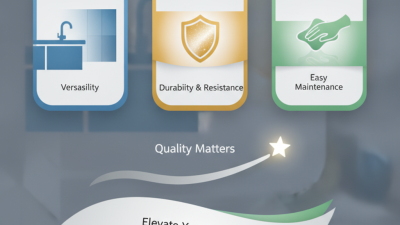
When considering materials for your projects, the choice of Quartz Material stands out significantly. Known for its durability and elegance, quartz has become a favored option in various applications, from countertops to flooring. Its non-porous nature ensures that it resists stains and bacteria effectively, making it ideal for both residential and commercial spaces.
Yet, many still overlook this remarkable material. Some perceive it as too expensive or not unique enough when compared to natural stones. However, the benefits far outweigh these concerns. With numerous colors and patterns available, Quartz Material offers versatility that can fit any aesthetic.
Choosing the right material involves understanding your needs. While quartz presents a wonderful option, personal preferences and project requirements may lead you elsewhere. It's essential to evaluate each material's pros and cons realistically. In the end, selecting Quartz Material can lead to an enhanced and reliable result in your project.
Benefits of Quartz Material in Construction Projects
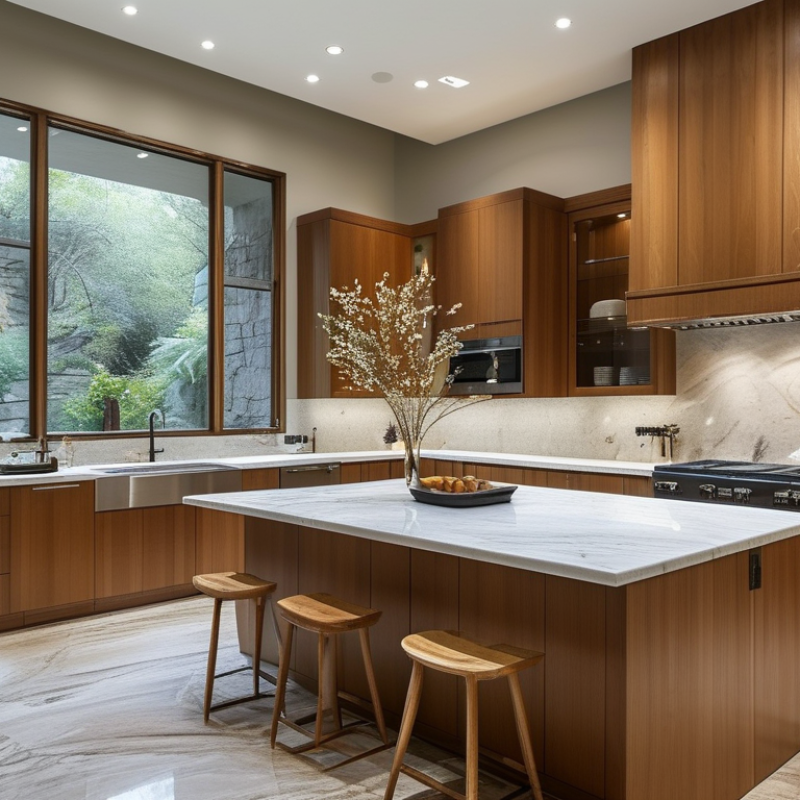
Quartz material is gaining popularity in construction projects for several compelling reasons. One key benefit is its durability. Unlike other materials, quartz does not easily chip or scratch. This makes it ideal for high-traffic areas like kitchen countertops and flooring. The resistance to stains and heat also adds to its appeal. Homeowners and builders appreciate this feature, as it reduces maintenance costs over time.
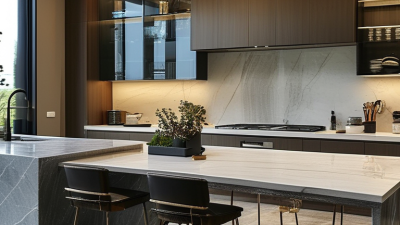
Another advantage of quartz is its aesthetic versatility. It comes in various colors and patterns, allowing for design creativity. This adaptability enhances the beauty of spaces, from residential homes to commercial buildings. However, it’s worth noting that quartz can be heavier than some other materials. This might require additional support during installation.
Moreover, quartz is non-porous, which means it won't host bacteria or mold. This quality makes it a hygienic choice for spaces like hospitals and kitchens. But, some might find that it looks less natural compared to stone alternatives. Despite this, the benefits often outweigh such concerns for many projects.
Durability and Longevity of Quartz Surfaces
When considering materials for projects, the durability and longevity of quartz surfaces stand out. Quartz is engineered to withstand daily wear, making it ideal for high-traffic areas. The surface is non-porous, which means it does not harbor bacteria or stains. This quality is particularly valuable for kitchen and bathroom applications. Daily spills and splatters can be easily wiped away, keeping the surfaces clean and hygienic.
Beyond its stain resistance, quartz offers impressive strength. It can endure heat, impacts, and scratching better than many natural stones. Homeowners often appreciate how quartz maintains its looks over time. However, it is essential to avoid placing hot pots directly on the surface, as this can damage the resin. Regular care is needed to preserve its beauty.
Over time, some users report minor chipping or dulling. Addressing these imperfections can require professional polishing. It’s crucial to weigh these factors when choosing quartz. A long-lasting material can make all the difference in project satisfaction, but understanding its limitations ensures informed decisions. Each piece of quartz tells a story of resilience and aesthetic appeal.
Top Reasons to Choose Quartz Material for Your Projects
Aesthetic Versatility of Quartz for Design Applications
Quartz is increasingly favored in design applications due to its aesthetic versatility. This engineered stone adapts well to various styles, making it a top choice among designers. A report from the Freedonia Group indicates that quartz surfaces comprise roughly 25% of the market share in countertops. This demonstrates its popularity and versatility in both residential and commercial spaces.
The range of colors and textures available in quartz allows for endless creativity. Designers can select from solid colors to intricate patterns that mimic natural stone. Some reports suggest that about 75% of homeowners prefer quartz for its aesthetic appeal combined with resilience. This statistic highlights the growing trend toward choosing durable materials that do not compromise on design.
While quartz offers numerous advantages, it is vital to acknowledge its limitations. Not all quartz surfaces are resistant to heat; some can scorch under high temperatures. Additionally, if not sealed properly, they can be prone to stains. These factors should be considered when selecting quartz for specific projects. Even so, most people find the benefits outweigh these concerns, leading to its continued rise in popularity across various design disciplines.
Low Maintenance Requirements of Quartz Materials
When considering materials for your projects, quartz stands out due to its low maintenance requirements. Unlike other options, quartz is non-porous. This feature prevents stains and minimizes the need for constant upkeep. A simple wipe with a damp cloth often suffices to keep surfaces gleaming.
For busy homeowners or professionals, quartz offers undeniable convenience. Daily wear and tear do not easily affect its appearance. Spills or messes can be cleaned up quickly, making it ideal for kitchens and bathrooms. However, it's crucial to avoid using harsh chemicals. They can damage the surface over time.
Tips for maintaining quartz surfaces: Always use mild soaps and soft cloths for cleaning. If you encounter stubborn stains, a mixture of baking soda and water can be effective. It’s important to remember that while quartz is durable, it can chip if subjected to heavy impacts. Regularly inspect your surfaces for any potential damage. This proactive approach can enhance longevity and performance.
Eco-Friendly Aspects of Quartz in Sustainable Design
Quartz is gaining attention in sustainable design, thanks to its eco-friendly qualities. Unlike other materials, quartz is engineered from abundant resources. It requires less energy to produce, making it a greener choice. The use of recycled materials in quartz countertops further reduces waste. This contributes to a circular economy, which is essential in today's design practices.
When selecting quartz for your project, consider its durability. Quartz surfaces are highly resistant to scratches and stains. This durability means less frequent replacements, which reduces environmental impact over time. It’s crucial to reflect on how often materials need to be replaced. Choosing long-lasting products is vital for sustainability.
Remember to evaluate the sourcing of quartz. While it is a natural material, the mining processes can affect environments. Look for suppliers who prioritize ethical mining practices. These considerations make your design choices more responsible. Always ask questions about the material's lifecycle. Striving for transparency is key in sustainable design.