How to Choose the Best Quartz Fiber Filter for Your Needs?
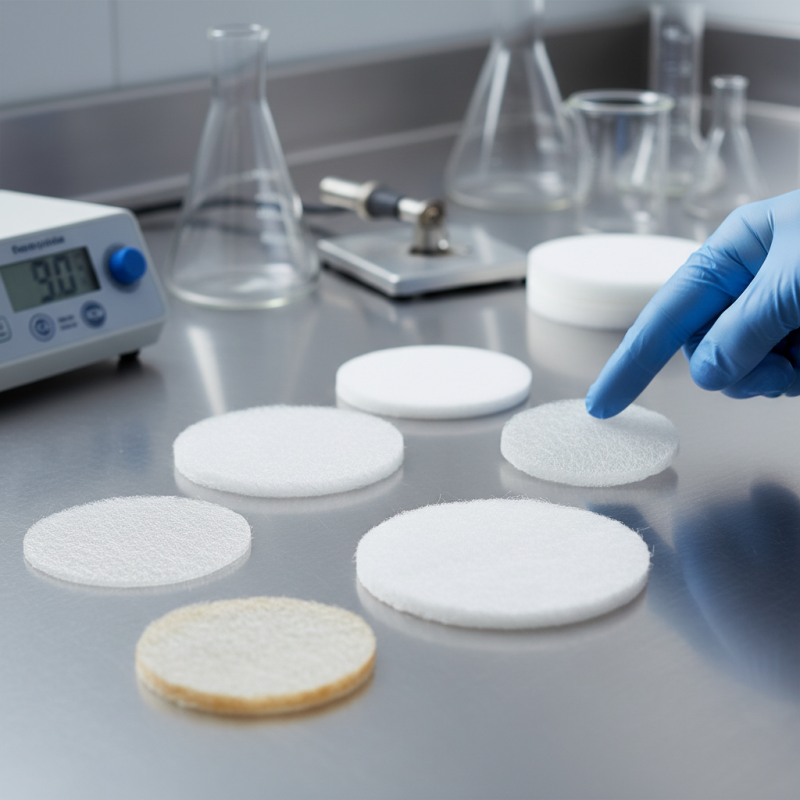
Choosing the right Quartz Fiber Filter can significantly enhance your filtration process. These filters are known for their exceptional clarity and efficiency. However, not all Quartz Fiber Filters are the same.
When selecting a filter, consider your specific needs. Different applications require different filter characteristics. For example, some filters are designed for high temperatures, while others perform well in lower conditions.
It is essential to evaluate the chemical compatibility of the filter with your materials. Understanding the intended use of a Quartz Fiber Filter will lead to better results. Seek professional advice if you are unsure. A well-informed choice adds value to your operations. Remember, the right filter can make a significant difference in the quality of your results.
Understanding Quartz Fiber Filters and Their Applications
Quartz fiber filters are essential tools in various industries, particularly in air and water quality testing. These filters effectively capture particulate matter, providing reliable data for environmental monitoring. According to a recent industry report, quartz fiber filters can capture particles as small as 0.1 micrometers with an efficiency of over 99%. This high level of efficiency makes them a preferred choice among researchers and environmental agencies.
Applications of quartz fiber filters span many fields, including laboratory analysis, HVAC systems, and industrial processes. Their ability to withstand high temperatures and corrosive environments enhances their usability. A significant study indicates that using quartz fiber filters in air quality assessments can lead to a 30% improvement in data accuracy. However, choosing the right filter involves considerations of pore size, flow rate, and compatibility with the specific application.
Even with their advantages, quartz fiber filters are not without challenges. Over time, filters may absorb moisture, affecting their performance. Additionally, improper handling can lead to contamination. Users need to be aware of storage conditions and follow strict protocols during use. Being mindful of these factors can prevent data inaccuracies and ensure the reliability of results.
Key Factors to Consider When Choosing Quartz Fiber Filters
When selecting a quartz fiber filter, several key factors come into play. Understanding your specific application is paramount. Different industries have varying requirements. For example, a laboratory may need finer filtration than an industrial setting. This distinction can significantly affect your choice of filter type.
Another essential factor is the filter’s efficiency rating. Higher efficiency filters capture smaller particles. However, they may also restrict airflow. Balancing these two elements is crucial. Sometimes, less efficient filters can perform better for certain tasks. It is vital to consider the environment where the filter will operate. Extreme temperatures or chemical exposure can affect durability.
Tips: Always consult technical data sheets before making a decision. This ensures compatibility with your systems. Testing small batches can also highlight potential issues. Don't hesitate to reach out to industry professionals for insights. Their experience can help clarify doubts. Remember, the best choice may not be the most popular one. Tailor your selection to meet your unique needs.
Comparing Various Quartz Fiber Filter Brands and Their Features
When selecting a quartz fiber filter, various brands offer distinct features tailored to specific applications. Some filters prioritize high filtration efficiency, while others focus on durability and temperature resistance. According to industry reports, filters made from high-purity quartz fibers can withstand temperatures exceeding 600°C, making them suitable for demanding environments.
Performance comparisons reveal that several brands achieve over 99.9% particulate removal efficiency, vital for industries requiring clean air or process control. Detailed analysis of filter life expectancy shows that some products can last up to 2,000 hours under optimal conditions, offering significant cost savings. However, practical performance may vary based on the actual application and environmental factors.
User feedback highlights that, while some filters perform exceptionally in standard conditions, they may falter under variable loads. Real-world testing often uncovers discrepancies between lab results and on-site usage. Acknowledging this gap emphasizes the importance of considering not just specifications but also the context of use when choosing a filter. Ultimately, thorough research and testing can guide users to make informed choices that best meet their filtration needs.
How to Choose the Best Quartz Fiber Filter for Your Needs?
| Filter Feature |
Brand A |
Brand B |
Brand C |
| Filtration Efficiency |
99.99% |
99.97% |
99.95% |
| Temperature Range |
-20°C to 260°C |
-50°C to 250°C |
-40°C to 300°C |
| Chemical Resistance |
High |
Moderate |
High |
| Pore Size |
0.45 µm |
0.22 µm |
0.45 µm |
| Dimensions |
100 x 100 mm |
150 x 150 mm |
200 x 200 mm |
| Max Operating Pressure |
5 bar |
3 bar |
4 bar |
Sizing and Compatibility: Choosing the Right Quartz Fiber Filter
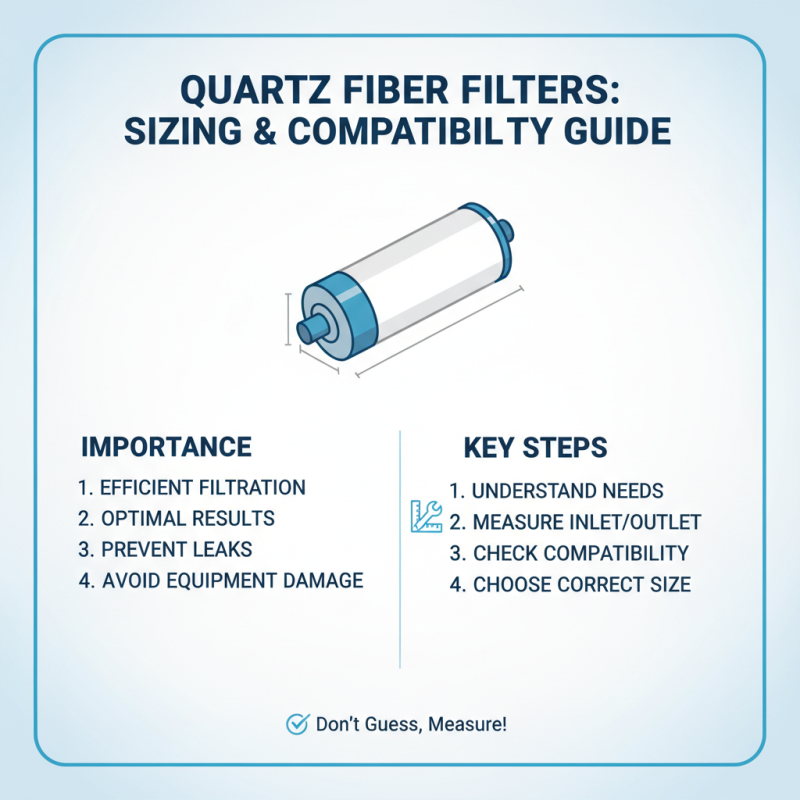
Choosing the right quartz fiber filter can seem daunting. Sizing and compatibility are crucial factors to consider. A poorly sized filter can lead to inefficient filtration and poor results. Therefore, understanding your specific needs is vital. Measure your equipment's inlet and outlet dimensions carefully. Incorrect sizes can cause leaks or inadequate filtration.
Another aspect to examine is the filter's compatibility with your application. Different environments may require distinct filter types. For example, some applications might need higher heat resistance. Others may emphasize chemical compatibility. Always review technical specifications before making a decision. Consulting with experts in the field can provide additional insight, ensuring you select an appropriate filter.
Many users focus solely on price, but this isn't wise. Sometimes, a low-cost option may compromise quality or efficiency. Users need to reflect on past experiences with filters. Have those choices delivered the expected results? The right quartz fiber filter should align with both your operational needs and budget constraints. Keep experimenting until you find a solution that feels right.
Maintenance and Care Tips for Your Quartz Fiber Filters
Proper maintenance and care of quartz fiber filters are crucial for optimal performance. Regular cleaning is essential. Keeping filters free from dust and debris can prevent clogging. Use a soft brush or compressed air to remove particles gently. Inspect your filters periodically for wear and tear. Any visible damage can impact filtration efficiency.
Storing filters correctly is equally important. Place them in a cool, dry environment when not in use. Avoid exposing them to extreme temperatures or humidity. This will preserve their structural integrity. Always follow the manufacturer's guidance on replacement intervals. Filters that are used beyond their lifespan may not perform effectively.
Performance may vary based on usage. Be aware that overuse can result in diminished efficiency. If you notice changes in air quality or flow rates, it might be time for a change. Regular attention to your filters can save time and resources in the long run. Maintain your filters well, and they will serve you faithfully.