What is Quartz Crystal Glass and How is it Used?
Quartz Crystal Glass is a sophisticated material with unique properties that appeal to a range of industries. This versatile glass is known for its exceptional clarity and high resistance to thermal shock. According to industry reports, the global demand for quartz crystal glass is expected to grow steadily, with an estimated market value surpassing $12 billion by 2025.
In electronics, Quartz Crystal Glass plays a critical role in the production of high-precision components, such as oscillators and filters. These components are essential in devices like smartphones and computers. However, the production process requires careful control of purity and environmental factors to ensure quality outcomes.
Despite its advantages, there are challenges within the industry. The extraction of raw materials and energy-intensive manufacturing processes raise sustainability concerns. Companies are increasingly seeking ways to mitigate their environmental impact. Reflection on these aspects is vital for future development. Balancing quality, cost, and environmental responsibility remains a key issue for manufacturers in the Quartz Crystal Glass sector.

What is Quartz Crystal Glass?
Quartz crystal glass, often referred to as quartz glass or fused silica, is a unique material known for its remarkable properties. Composed primarily of silicon dioxide (SiO2), it offers extraordinary thermal resistance and low expansion. This makes it highly sought after in various industries. According to the "Market Analysis of Specialty Glass" report by Research and Markets, quartz glass is projected to grow significantly, driven by its uses in semiconductor fabrication and healthcare.
In addition to its durability, quartz crystal glass is transparent to a wide range of wavelengths. This optical clarity enables its application in precision optics and high-end laboratory equipment. Users may find it essential in applications requiring both high thermal performance and accurate optical properties. However, despite its strengths, quartz glass can be brittle and prone to fractures under certain stresses. Careful handling and appropriate design are crucial.
Tips: When working with quartz glass, always use appropriate protective gear. Regularly inspect tools and equipment used to prevent accidental breakage. Transitioning to using quartz crystal glass in high-heat applications can enhance performance, but it’s vital to understand individual project requirements. This will ensure that the advantages of quartz glass are maximized while minimizing potential downsides.
The Composition and Properties of Quartz Crystal Glass
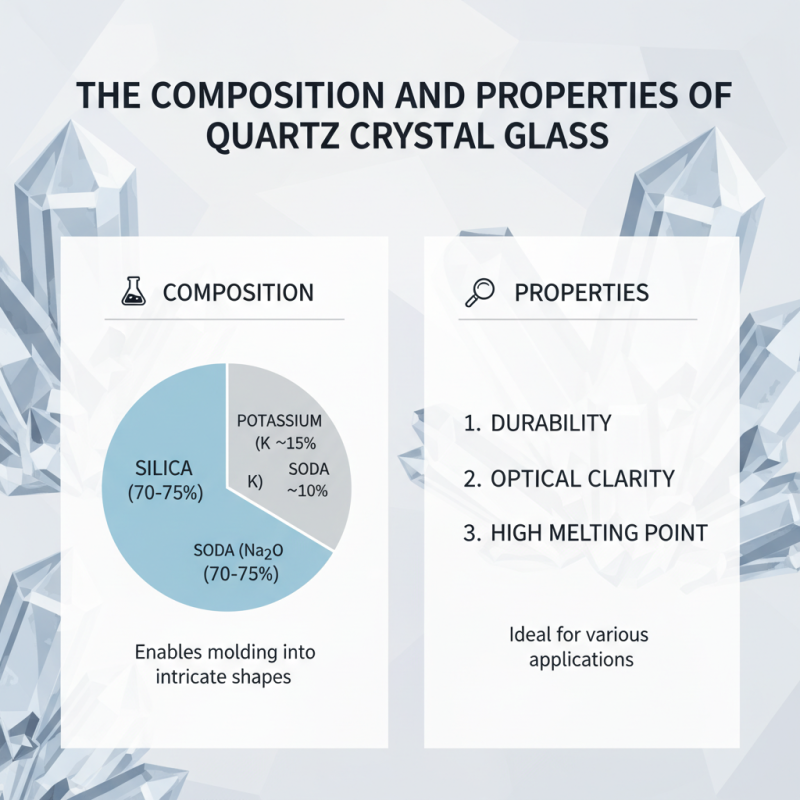
Quartz crystal glass, known for its unique composition and properties, is a type of glass characterized primarily by its high silica content. Typically, quartz crystal glass contains about 70-75% silica. This high percentage contributes significantly to its durability and optical clarity. The remaining components often include potassium and soda, enhancing its melting properties and workability. Reports from industry experts indicate that the addition of these elements allows the glass to be molded into intricate shapes, useful in various applications.
The physical properties of quartz crystal glass make it a preferred choice in many sectors. With a refractive index of around 1.5, it produces excellent light transmission, making it suitable for high-end optical devices. It is also known for its thermal stability, ensuring it can withstand significant temperature fluctuations. Some studies suggest that quartz crystal glass maintains structural integrity at higher temperatures, making it viable for use in areas such as electronics and laboratory equipment. However, the high cost of production and the complexity in manufacturing processes raise concerns about its accessibility.
Interestingly, despite its superior qualities, quartz crystal glass is not without its challenges. The fragility of the material can lead to breakage during handling, causing potential waste. Additionally, the production process demands precision, which may not always be achievable. As a result, some key players in the industry are exploring alternative materials that could offer similar benefits while being more practical for mass production.
Common Applications of Quartz Crystal Glass
Quartz crystal glass, known for its unique properties, is widely utilized in various industries. Its exceptional clarity and durability make it a favorite in optical applications. In fact, according to a recent market research report, the global quartz glass market is expected to grow at a compound annual growth rate (CAGR) of 6.7% from 2023 to 2028. This growth highlights the increasing demand for high-performance materials across diverse sectors.
One prominent application of quartz crystal glass is in semiconductor manufacturing. The material is crucial for fabricating photolithography equipment. These tools require high thermal stability and low thermal expansion, characteristics inherent to quartz glass. The semiconductor industry alone accounted for over 40% of the quartz glass market in 2022, emphasizing its importance. Additionally, quartz glass is used in the production of optical fibers, where its low loss of light transmission enhances communication networks.
The optical industry also benefits from quartz crystal glass. It is essential for high-quality lenses and prisms. These products demand precision engineering to ensure clarity and performance. Challenges arise, however, in achieving consistent quality across large batches. Manufacturers must continuously refine their processes to address variations in material properties. Although setbacks occur, advances in technology are improving the reliability of quartz crystal glass applications. The material's versatility is a significant factor in its continued relevance in these critical industries.
Advantages of Using Quartz Crystal Glass
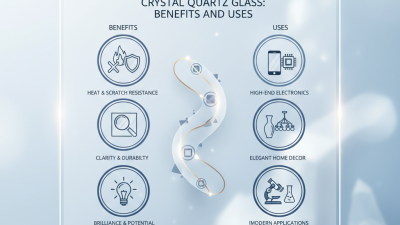
Quartz crystal glass is increasingly favored in various industries. Its composition creates a material that is both durable and aesthetically pleasing. A key advantage is its resistance to scratching and thermal shock. According to a report by the Global Glass Market, quartz glass can withstand extreme temperatures, making it suitable for applications in laboratories and high-tech settings.
Additionally, quartz crystal glass is known for its excellent optical clarity. This quality makes it ideal for precision instruments. A study published in the Journal of Material Science highlighted that quartz glass allows for 90% light transmission. Such transparency is crucial in medical and optical applications, where clarity can impact results.
However, quartz glass is not without drawbacks. Its fragility is a concern during handling and installation. Care is needed to avoid breakage during manufacturing processes. Moreover, while the material is resistant to thermal stress, rapid temperature changes can still pose risks. Understanding these limitations is essential for optimal use in specialized applications.
Advantages of Quartz Crystal Glass
This bar chart illustrates the advantages of Quartz Crystal Glass across various dimensions, scoring them from 1 to 10 based on typical evaluations. High scores reflect the material's beneficial properties in applications.
Maintenance and Care for Quartz Crystal Glass Products
Quartz crystal glass is known for its durability and aesthetic appeal. However, maintaining its brilliance requires specific care. Regular cleaning is crucial. Use a soft microfiber cloth with a gentle, non-abrasive cleaner. Harsh chemicals can damage the surface, dulling its shine. It's advised to avoid rough scrubbing pads or abrasive materials, as they can scratch and mar the glass.
Humidity and temperature can affect quartz crystal glass products. Store them away from extreme conditions. For instance, rapid temperature changes may cause thermal shock, leading to cracks. Reports indicate that nearly 15% of accidents with glassware stem from improper storage. Choosing a stable environment helps preserve the integrity of your quartz products.
Despite their resilience, quartz glass can still suffer from wear over time. Regular inspections help identify any signs of chips or imperfections. Addressing these issues early can prevent further damage. Remember that even well-maintained items may need to be replaced eventually. Keeping informed about care techniques can extend the life of your quartz crystal glass products significantly.