Why Choose Quartz Rod for Your Next Project?
When considering materials for your next project, the choice of Quartz Rod stands out. With its unique properties, this material has gained popularity in various industries. The strength and durability of Quartz Rod make it ideal for applications requiring precision and reliability. Its resistance to heat and chemical wear enhances its appeal.
However, some may overlook the importance of selecting the right size and specifications. The performance of a Quartz Rod can vary based on these factors. Small deviations can lead to significant issues during implementation. Thus, understanding the project’s requirements is essential for optimal results.
In summary, Quartz Rod offers numerous advantages, but one must approach its selection carefully. Proper research and consideration can make all the difference. Whether you are in construction, electronics, or manufacturing, the right choice is pivotal. These decisions impact not just quality but also overall project success.
Benefits of Using Quartz Rod in Various Applications
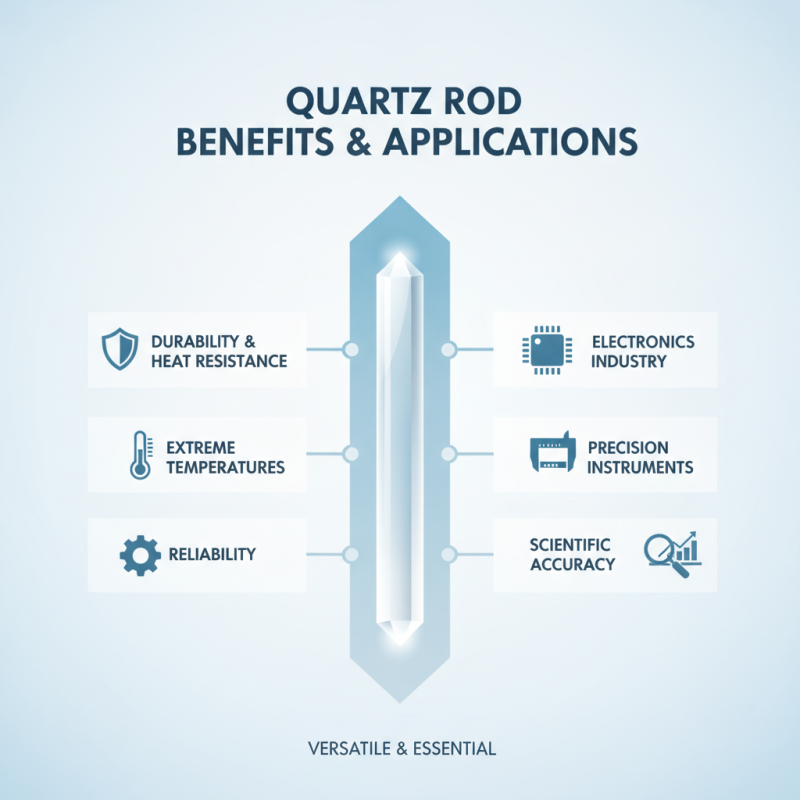
Quartz rods have gained popularity in various industries due to their unique properties. They are known for their durability and resistance to extreme temperatures. These features make quartz rods ideal for situations where reliability is crucial. For example, in the electronics industry, quartz rods are often used in precision instruments. Their stability helps maintain accuracy in readings, which is essential in scientific applications.
In addition to their practical benefits, quartz rods are versatile. They can be shaped into various sizes and lengths, making them suitable for different projects. Their light weight combined with strength allows for easy handling and installation. Whether in telecommunications or medical devices, quartz rods provide a level of performance that enhances overall efficiency. However, it’s worth noting that their brittleness can be a drawback. Users must handle them with care to avoid breakage.
Finally, the cost-effectiveness of quartz rods should not be overlooked. They often offer long-term savings due to their longevity and low maintenance needs. Yet, some projects may find that alternatives fit their budget better. It’s wise to review the specific requirements thoroughly before making a decision. The adaptability of quartz rods does come with some considerations, but their benefits often outweigh the challenges for many applications.
Understanding the Properties of Quartz Rods
Quartz rods are becoming increasingly popular in various applications. Their unique properties make them suitable for numerous projects. Quartz is known for its outstanding durability and resistance to thermal shock. This quality allows it to maintain integrity under high temperatures, making it invaluable in industries like electronics and optics.
In a recent industry report, it was noted that quartz materials outperform many alternatives in terms of mechanical strength. The compressive strength of quartz can exceed 100 MPa, making it a robust option. However, careful consideration is necessary when selecting quartz rods. Their brittleness can lead to challenges during manufacturing. Potential cracks may arise during production if proper handling is not prioritized.
Tip: Always conduct a thorough analysis of the specific application requirements before choosing quartz rods. Assess factors like temperature tolerance, potential wear, and environmental exposure. This proactive approach can enhance performance and longevity.
Another aspect of quartz rods is their low thermal expansion rate. This characteristic allows for consistent performance across varying temperatures. According to recent studies, quartz rods maintain 50% less expansion than metals. Despite these benefits, engineers must account for their rigidity, as its inflexibility can lead to complications under dynamic loads.
Tip: Collaborate with experienced professionals during the design phase. Their insights can help mitigate risks associated with using quartz rods. A deep understanding of the material's limitations can be crucial to project success.
Comparing Quartz Rods with Alternative Materials
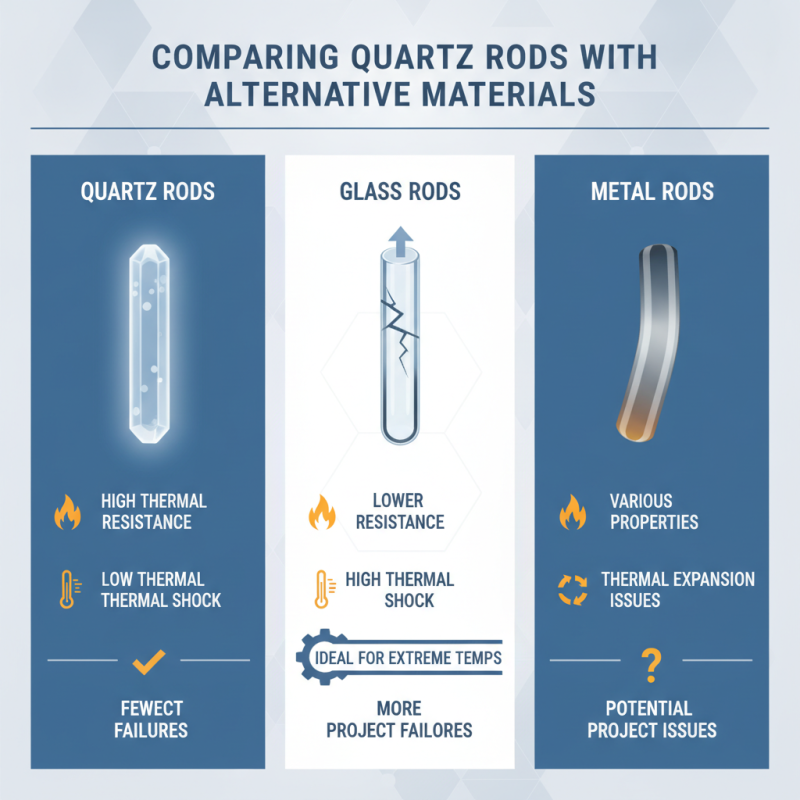
When choosing materials for projects, quartz rods stand out. Compared to alternatives like glass or metal, they offer unique advantages. Quartz rods have high thermal resistance, which makes them ideal for applications in extreme temperatures. Unlike glass, they are less prone to thermal shock. This stability can lead to fewer project failures.
In contrast, metal rods might corrode or expand under heat. This could compromise structural integrity over time. Quartz rods maintain strength and clarity, even under harsh conditions. They are also lightweight yet strong, which is a desirable combination for many projects. While glass may seem cheaper, its fragility can result in higher replacement costs.
Tips: Consider your project's specific needs. Evaluate the working environment; quartz rods may save costs in durability. Also, think about weight and ease of handling. Sometimes, it's worth investing more upfront for lasting quality. Be open to experimenting with different sizes and shapes of quartz rods. They can offer unexpected solutions in design and functionality.
Tips for Selecting the Right Quartz Rod for Your Project
When selecting quartz rods for your project, understanding material specifications is crucial. Quartz, known for its durability and thermal stability, can withstand extreme temperatures. According to industry reports, quartz rods can handle temperatures exceeding 1,600°F (871°C) without structural failure. This makes them ideal for applications in laboratories and high-heat environments.
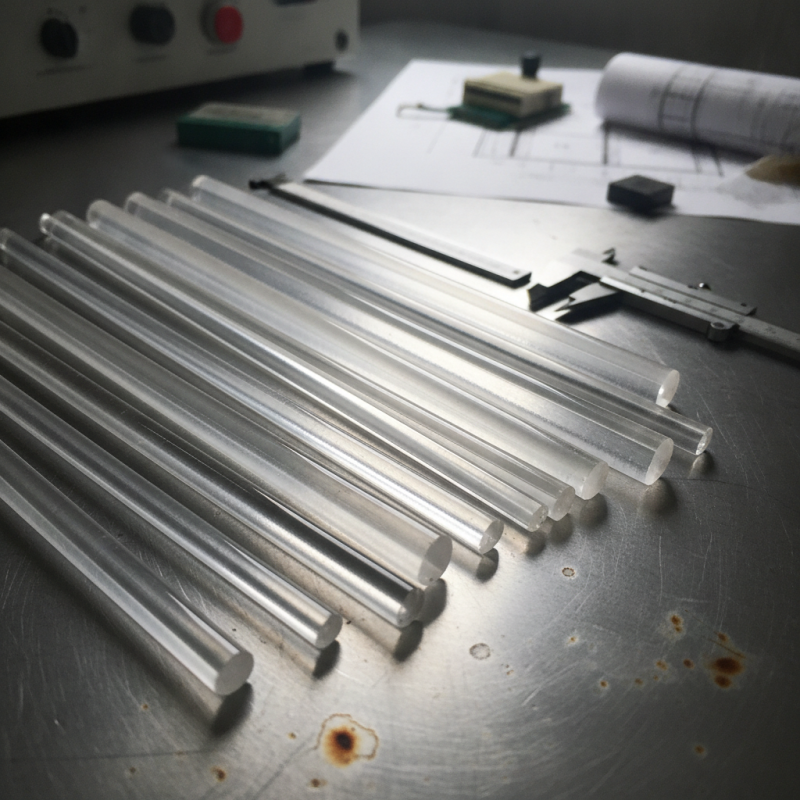
Consider the diameter and length of the rod needed for your specific use. A standard quartz rod typically ranges from 1 mm to 100 mm in diameter. For projects involving high precision, small variations in size can lead to significant performance differences. It's recommended to use rods with a tolerance of ±0.1 mm for precision applications.
Pay attention to the purity of the quartz. High-purity quartz (above 99.99% SiO2) is essential for optical applications. However, less pure options can be suitable for general use. A lower purity level may save costs but could affect the material’s performance. Always weigh the trade-offs between cost, performance, and your project's specific requirements.
Why Choose Quartz Rod for Your Next Project? - Tips for Selecting the Right Quartz Rod for Your Project
| Feature |
Description |
Application |
| Durability |
Highly resistant to wear and tear, suitable for demanding environments. |
Industrial applications, laboratory settings. |
| Thermal Stability |
Can withstand extreme temperatures without losing integrity. |
High-temperature applications, furnaces. |
| Chemical Resistance |
Resistant to a variety of chemicals, ensuring longevity. |
Chemical processing, laboratory equipment. |
| Aesthetic Appeal |
Natural beauty and clarity make it visually appealing. |
Artisan crafts, decorative elements. |
| Versatility |
Can be customized in various shapes and sizes for specific needs. |
Custom projects, specialized tools. |
Common Industries Utilizing Quartz Rods for Enhanced Performance
Quartz rods have become essential in various industries due to their unique properties. The semiconductor industry is one of the leading sectors utilizing quartz rods. Quartz’s high thermal stability and low thermal conductivity make it ideal for high-temperature applications. According to a report by the International Journal of Advanced Manufacturing Technology, the global quartz industry is expected to reach $13 billion by 2026, highlighting its growing importance.
In the optics sector, quartz rods are crucial for producing precision lenses and mirrors. Their optical clarity and resistance to UV light enhance product performance significantly. A study by Research and Markets indicates that the global optical materials market is projected to expand at a CAGR of 7.3% from 2021 to 2026, with quartz rods being a key driver in this growth.
Despite their advantages, some challenges exist. Manufacturing defects can affect the performance of quartz rods. Issues like bubbles or impurities can lead to lower quality in finished products. Recognizing these imperfections is vital in maintaining strict quality control. As industries continue to rely on quartz rods, addressing these challenges will be essential for sustained performance and reliability.
Common Industries Utilizing Quartz Rods for Enhanced Performance