Top 5 Quartz Reactor Models for Efficient Production?
In the world of semiconductor manufacturing, the efficiency of production plays a crucial role. A key player in this process is the Quartz Reactor. According to a recent report by SEMI, the global semiconductor market is projected to reach $600 billion by 2025. Key components like Quartz Reactors are at the heart of this industry's growth. They ensure optimal conditions for processes such as chemical vapor deposition (CVD) and thermal oxidation.
Quartz Reactors are favored for their thermal stability and chemical resistance. Their ability to operate at high temperatures makes them indispensable in creating advanced electronic components. However, the selection of the right reactor model can dramatically impact productivity and yield. Industry analysts note that the right Quartz Reactor can improve efficiency by up to 30%. This efficiency is not just about speed, but also about reducing waste and maintaining strict purity standards.
Despite advancements, challenges remain. Reactive environments can pose risks to reactor integrity. Furthermore, varying material requirements demand an adaptable approach when selecting a model. Reflecting on these intricacies, it becomes evident that knowing the top Quartz Reactor models is essential for any manufacturer looking to enhance production capabilities while meeting high-quality standards.
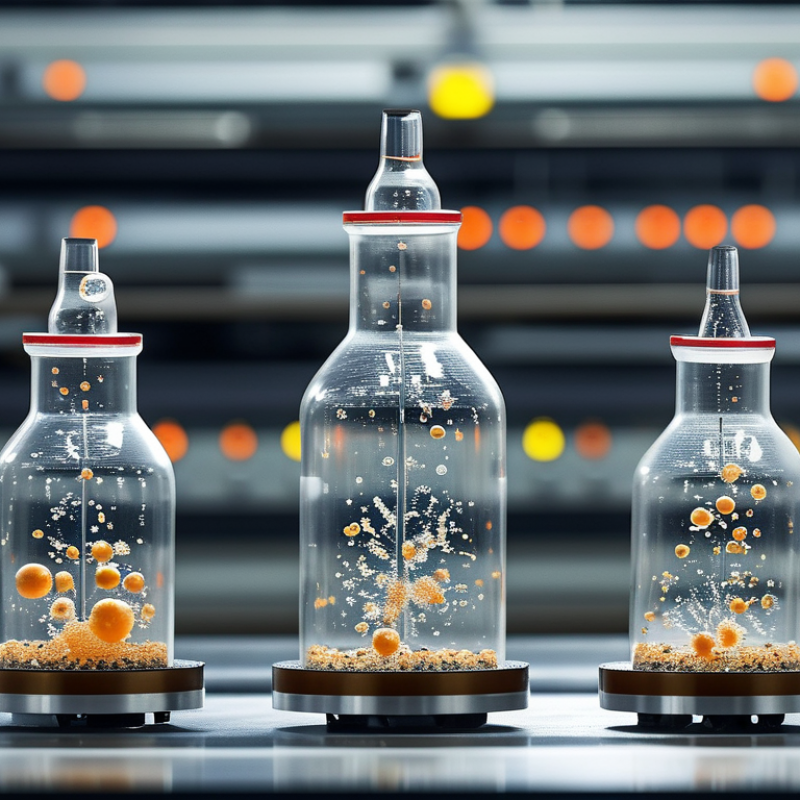
Overview of Quartz Reactors in Industrial Production
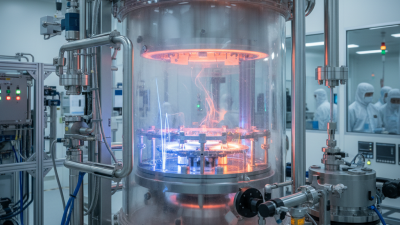
Quartz reactors play a crucial role in various industrial applications. They are vital for processes that require high temperatures and precise control. Tailoring the design of quartz reactors can significantly impact operational efficiency. Reactors made from high-purity quartz withstand extreme conditions, ensuring chemical stability. This results in enhanced reaction yields and longer operational lifespans.
One challenge in using quartz reactors is the potential for thermal stress. Manufacturers must balance efficiency with material limitations. Knowing when to replace components can prevent costly downtimes. Moreover, maintaining proper alignment during installation is essential for optimal performance. It is important to establish regular maintenance schedules to ensure longevity.
Industry experts recommend investing in training for staff. Understanding the nuances of quartz reactors can enhance safety and efficiency. An experienced team can troubleshoot issues promptly. Still, every reactor has its limitations. Evaluating performance data helps identify areas for improvement. Regular feedback loops can foster innovation in reactor design and usage, leading to more efficient production processes.
Top 5 Quartz Reactor Models for Efficient Production
| Model |
Capacity (L) |
Temperature Range (°C) |
Material |
Efficiency (%) |
| Quartz Reactor A |
50 |
-10 to 200 |
Quartz |
90 |
| Quartz Reactor B |
100 |
0 to 250 |
Glass |
85 |
| Quartz Reactor C |
75 |
-20 to 300 |
PTFE |
92 |
| Quartz Reactor D |
150 |
-10 to 350 |
Silicon |
88 |
| Quartz Reactor E |
200 |
-30 to 400 |
Quartz Composite |
95 |
Criteria for Choosing the Best Quartz Reactor Models
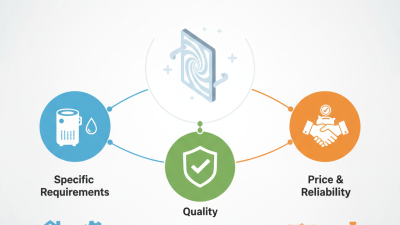
When selecting the best quartz reactor models, several factors should be considered. First, the reactor's material quality is essential. High-purity quartz reduces contamination, ensuring greater consistency in production. Assessing the temperature tolerance can also provide insights into the reactor's longevity and efficiency. Ideally, models should withstand elevated temperatures without degrading.
Another important criterion is the design and size of the reactor. Compact designs often enhance ease of integration into existing systems while maintaining functionality. Additionally, consider the reactor's throughput capacity. Models that can accommodate higher production rates offer significant advantages in operational efficiency.
Lastly, reliability is key. It can be helpful to analyze user reviews and expert evaluations. Such feedback can reveal common issues or areas of concern. While one reactor may excel in one aspect, it might underperform in another. Balancing these attributes will lead to better decision-making.
Top 5 Quartz Reactor Models for Increased Efficiency
In the quest for increased efficiency in production, selecting the right quartz reactor model plays a crucial role. Quartz reactors offer distinct advantages, such as excellent thermal stability and chemical resistance. Many facilities now seek to maximize output while minimizing resource consumption. A well-chosen reactor can significantly enhance the production process.
Efficient designs focus on optimizing heating and cooling systems. Innovative models often feature advanced insulation materials. This improves energy usage and maintains consistent temperature controls. Moreover, the use of modular designs allows for easy scaling and adaptation to specific production needs. These features are essential for companies aiming to boost productivity and reduce operational costs.
However, not all models are equally effective. Some may have limitations in throughput or flexibility. Continual assessment of performance can lead to better decision-making in future purchases. It's important for manufacturers to remain critical of their equipment choices. Regular updates and adjustments can reveal hidden inefficiencies, ensuring optimal production outcomes in the long run.
Comparison of Performance Metrics for Each Model
When evaluating quartz reactor models, performance metrics play a crucial role. Each model presents unique advantages and challenges. The efficiency of material conversion often differs significantly, impacting overall productivity. One model may excel in processing speed, while another shines in consistency. It’s important to scrutinize each one carefully.
Power consumption is another key metric. Some models operate efficiently at lower energy levels, reducing operational costs. However, they may experience performance dips under high workloads. User feedback often highlights these discrepancies, pointing out that what works well in labs might not translate effectively in larger production environments.
Maintenance frequency presents yet another complex aspect. Certain models require regular servicing to maintain optimal performance. Others may offer lower maintenance needs but at the cost of reliability over time. Understanding this trade-off can save companies both time and resources. Operators should weigh these factors critically while choosing the right model for their production needs.
Top 5 Quartz Reactor Models for Efficient Production
Future Trends in Quartz Reactor Technology for Enhanced Production
The future of quartz reactor technology is pivotal for increasing production efficiency. With industries emphasizing sustainability, advancements in quartz reactors will likely incorporate eco-friendly materials. This shift aligns with a 2022 industry report indicating a 25% reduction in energy consumption when using optimized quartz reactors.
Emerging trends suggest enhanced automation in reactor designs. Intelligent monitoring systems will provide real-time data on performance metrics. These innovations could reduce downtime and improve yield—critical factors in manufacturing environments. According to recent studies, integrating AI-driven analytics can lead to a 15% improvement in productivity.
Tips for optimizing quartz reactor performance include regular maintenance checks. Operators should also consider modular designs that can adapt to evolving production needs. Additionally, incorporating feedback loops in system design allows for continual performance assessment. Such practices not only improve efficiency but also reduce waste. The quartz reactor landscape is evolving, presenting both challenges and opportunities.