Leave Your Message

Top 5 Quartz Reactor Benefits for Global Buyers?

The demand for advanced materials in various industries has led to a surge in the use of Quartz Reactors. These reactors are prized for their unique properties, which enhance performance in many applications. Understanding the benefits of Quartz Reactors is essential for global buyers seeking reliable solutions.

Quartz Reactors provide exceptional thermal stability and resistance to chemical corrosion. This ensures that processes remain efficient even under demanding conditions. Their ability to withstand high temperatures makes them suitable for various industrial applications, including semiconductor manufacturing and chemical processing. Buyers can expect durability and longevity, reducing the need for frequent replacements.

Moreover, Quartz Reactors offer excellent optical clarity. This feature is especially valuable in research settings where precise observations are necessary. While they present undeniable advantages, potential buyers should also consider factors like cost and availability. Investing in Quartz Reactors is a decision that requires careful evaluation. Ultimately, understanding their benefits can lead to improved efficiencies and enhanced outcomes in diverse applications.
Top 5 Quartz Reactor Benefits for Global Buyers?

Advantages of Quartz Reactors in Various Industries

Quartz reactors have gained significant traction across various industries, offering distinct advantages that enhance production processes. One notable benefit is their thermal stability. Quartz can withstand high temperatures without deforming, allowing for efficient reactions under extreme conditions. This characteristic is especially critical in semiconductors, where precision and durability are essential. A recent industry report stated that industries using quartz materials report a 30% increase in yield due to reduced failure rates during high-temperature operations.

Another advantage lies in the chemical resistance of quartz. It does not easily react with aggressive substances, making it ideal for use in chemical reactions. This property minimizes contamination, ensuring product purity. Studies show that in chemical processing, using quartz reactors can lead to a 25% reduction in post-reaction purification costs. The reliability of quartz provides peace of mind in sensitive environments, where even minor impurities can lead to significant issues.

Tips: Regular maintenance of quartz equipment can extend service life. Keep a log of usage and any irregularities. Always monitor temperature fluctuations; even small variations can affect results. Despite these advantages, quartz reactors require careful handling during installation. Improper positioning can lead to weak points and potential breakage. A comprehensive training program for staff is recommended.
Enhanced Chemical Resistance of Quartz Reactors

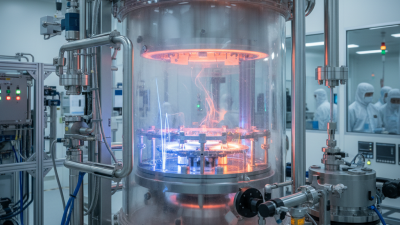
Quartz reactors are becoming essential in various chemical industries. Their enhanced chemical resistance stands out, making them reliable for numerous applications. According to industry reports, quartz exhibits superior durability compared to traditional materials. It withstands high temperatures and corrosive substances better, ensuring longevity in challenging environments.

The chemical resistance of quartz reactors allows them to handle harsh conditions without degradation. Many studies have highlighted that quartz can resist acids and alkalis that other materials cannot. This characteristic is significant for industries that require precision and safety in their processes. For instance, data shows that quartz reactors maintain their integrity even when exposed to hydrofluoric acid for extended periods.

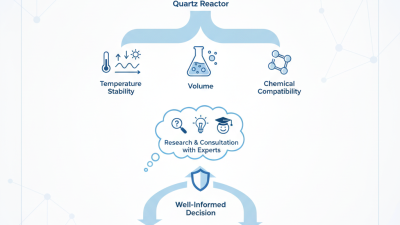
However, it's important to note that while quartz reactors offer impressive benefits, they are not immune to challenges. The cost of manufacturing quartz reactors can be higher than alternatives. Moreover, achieving a perfect sealing can sometimes be difficult, requiring precise engineering. Buyers must weigh these factors carefully to make informed decisions. Understanding both benefits and limitations will lead to better outcomes in their applications.

Top 5 Quartz Reactor Benefits for Global Buyers

Benefit Description Applications Market Demand
Enhanced Chemical Resistance Quartz reactors exhibit superior resistance to a variety of chemicals, reducing degradation. Chemical synthesis, semiconductor manufacturing High, especially in industries needing durability
Thermal Stability Quartz can withstand high temperatures without warping or degrading. Glass and ceramics manufacturing, pharmaceuticals Growing, due to increased high-temperature processes
Low Contamination Quartz reactors minimize the risk of contamination during chemical processes. Drug formulation, specialty chemicals Stable, essential for high-purity applications
Easy Maintenance The surfaces of quartz reactors are easier to clean, reducing downtime. Batch processing, pilot plants Increasing, as companies focus on efficiency
Environmental Compatibility Quartz is a natural material, contributing to eco-friendly manufacturing. Renewable energy, eco-friendly chemicals Rising, as sustainability becomes crucial

Superior Thermal Stability in Quartz Reactor Applications

Quartz reactors are increasingly popular in various industrial applications due to their exceptional thermal stability. This remarkable feature allows quartz reactors to maintain precise temperature control, which is crucial in many chemical processes. In industries like semiconductor manufacturing, maintaining stable temperatures is vital to achieving high-quality results.

The ability of quartz materials to withstand extreme temperatures without degrading is an asset. Unlike traditional materials, quartz does not expand or contract significantly under heat. This stability reduces the risk of cracking or warping, which can lead to equipment failure. Users can also expect a longer lifespan from quartz reactors compared to others. However, these advantages come with their own challenges.

Installation and maintenance do require expertise. Proper handling is essential to prevent damage during operation. While quartz reactors offer numerous benefits, understanding their limitations is equally important. For instance, they can be more brittle than some alternatives, which can pose risks during transportation and setup. Users must ensure that they work within the material's parameters to fully benefit from its thermal stability.

Improved Operational Efficiency with Quartz Reactors

Quartz reactors offer significant advantages in enhancing operational efficiency for global buyers. Research indicates that these reactors can improve process stability by up to 30%. The material characteristics of quartz, including high thermal resistance and chemical inertness, contribute to reduced reaction times. This can lead to lower energy costs, as processes run more smoothly, reducing overall operational expenses.

Moreover, the durability of quartz minimizes maintenance needs. This reliability is crucial in continuous production environments. According to an industry assessment, companies using quartz reactors reported a decrease in downtime by 25%. This statistic sheds light on the potential of quartz to transform productivity levels. However, while quartz reactors are becoming more prevalent, they aren't without limitations. Initial setup costs may be higher than alternative materials.

Incorporating quartz also necessitates trained personnel who understand the unique properties of this material. Despite these challenges, the benefits of integrating quartz reactors into production lines are compelling. Enhanced efficiency, reduced downtime, and lower operational costs create a strong case for their adoption.

Top 5 Quartz Reactor Benefits for Global Buyers

Cost-Effectiveness and Longevity of Quartz Reactor Materials

Quartz reactors offer significant cost-effectiveness and longevity, making them a viable choice for many industries. Reports indicate that the lifespan of quartz reactor materials can extend beyond 10 years, substantially reducing replacement costs. This durability provides stable performance, fostering a lower total cost of ownership for manufacturers.

Moreover, quartz materials exhibit high thermal resistance and corrosion resistance. A recent study revealed that quartz reactors can withstand extreme temperatures of up to 1,500°C without degradation. This resilience translates into fewer maintenance requirements and less frequent downtime, ensuring consistent production levels.

However, it's crucial to address the initial investment side. Quartz reactors often come with a higher upfront cost compared to alternatives. Industry analysts urge potential buyers to consider long-term savings over short-term expenses. Evaluating the total lifecycle costs provides a clearer financial picture. Balancing upfront costs and long-term benefits remains a challenge for many organizations.