2026 Top Quartz Plate Types for Global Buyers
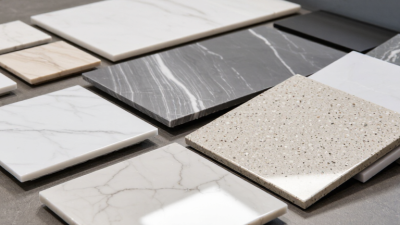
In 2026, global buyers can choose from quartz plates in many colors, finishes, thicknesses, and performance grades. Yet the name alone does not tell the whole story. In this guide, “Quartz Plate” refers mainly to engineered quartz surfacing, unless a supplier specifies technical-grade fused quartz. That distinction matters. Similar names can describe products with very different compositions, tolerances, and intended uses. A polished white plate for a kitchen counter, for example, is not interchangeable with a precision plate made for industrial equipment.
The sections ahead compare popular types and explain what buyers can check before requesting samples or quotes. Look beyond color. Review the product’s technical data, dimensions, surface finish, edge quality, and stated application. Ask suppliers how they verify consistency between batches, and confirm packaging details for long-distance transport. Details matter. A small difference in thickness may affect installation, while a glossy sample can look different under warehouse lighting. Buyers should also check care guidance and any applicable product documentation with the manufacturer; specifications vary by product and market.
Price still matters, of course, but a low quote may omit finishing, packing, or inspection requirements. Not just color. Even a careful comparison can miss something if product descriptions use loose terminology. That is worth admitting. Use the following overview as a practical starting point, then verify each specification against the supplier’s current records and the project’s actual requirements.
What Quartz Plates Are and How They Are Made
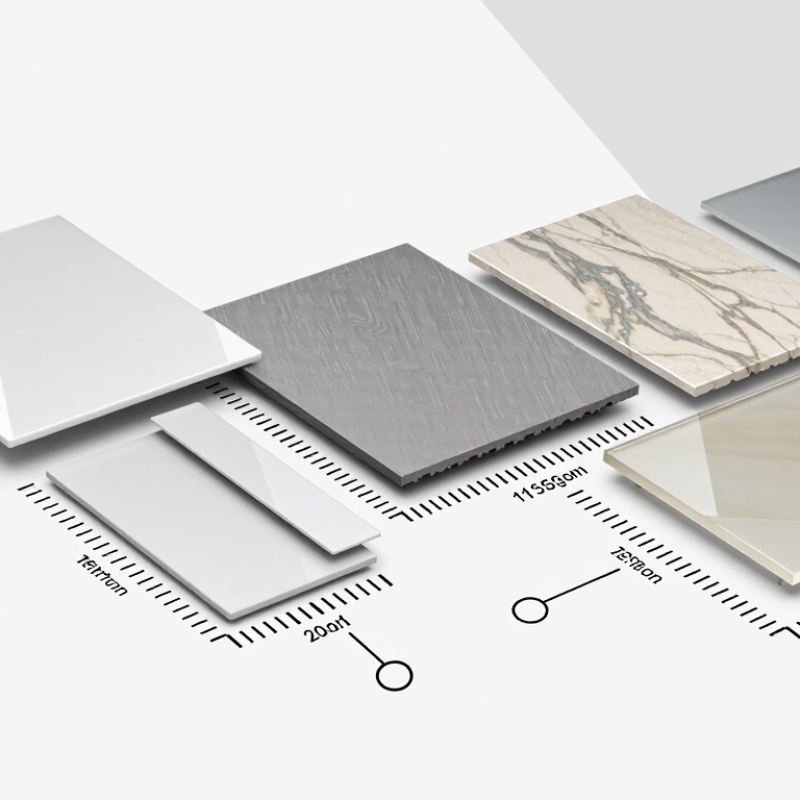
Quartz plates are flat, engineered surfaces made mainly from crushed natural quartz, a hard mineral rich in silica. They are often called quartz slabs in the countertop trade, though dimensions and intended uses vary. Mineral grains provide much of the hardness, while polymer binders hold them together. Pigments and other approved additives create colors, patterns, and different visual effects. The exact recipe is not universal. The details matter.
Production begins with sorting and crushing quartz, then grading the particles by size. Manufacturers blend the grains with binder and pigments to distribute color through the mix. The material is formed in a mold and compacted, commonly using vibration and vacuum to reduce trapped air. It is then cured so the binder hardens. After curing, plates are calibrated to a consistent thickness, ground, and polished or given a textured finish. Small variations can still occur between batches.
Quality checks may include measuring thickness, inspecting the surface, and testing physical performance. For buyers, a close look at edges and sample pieces can reveal uneven color or tiny pits that photographs miss. A glossy face is not proof of uniform construction. Some differences are normal, but the acceptable range should be clear before ordering. Production methods vary, and this is worth asking about.
Key Properties and Grades of Quartz Plates
Quartz plates are not one uniform material. Fused-silica plates suit thermal cycling and optical work, while crystalline-quartz plates are selected for piezoelectric behavior or specific crystal orientations. NIST optical reference data give fused silica a refractive index of about 1.458 at 589.3 nm. Its thermal expansion is also very low, typically around 0.5 × 10⁻⁶ per kelvin near room temperature. Exact values depend on composition and test conditions. Small differences matter.
“Grade” needs careful reading. ASTM C616/C616M classifies quartz-based dimension stone; it does not establish a universal grade system for fused-silica plates. Optical suppliers may instead specify transmission, surface quality, flatness, bubbles, and inclusions. Semiconductor applications often add limits for trace metals and particle contamination. Ask for measured values, test methods, and a lot-specific inspection report, not just “high purity.” For reference, ISO 10110 provides drawing conventions for optical components, including surface imperfections. Check wavelength and thickness before comparing transmission figures. A plate that looks clear on a bench may still fail at the working wavelength. Grade labels vary. Even careful specifications can leave gaps, so buyers should confirm edge finish and thermal limits before ordering.
Major Quartz Plate Types and Their Typical Uses
Engineered quartz plates combine crushed quartz with resin and pigments. Their consistent color and low-porosity surface suit kitchen counters, reception desks, and wall cladding. Small sample pieces can help buyers compare veining under actual room lighting. These plates are practical, but not indestructible: prolonged high heat may damage the resin, and outdoor exposure can affect some colors. Check the maker’s technical data before specifying them.
Fused quartz plates are made from high-purity silica glass. They are used for laboratory windows, optical components, and equipment that needs good thermal stability. Clear grades transmit light; opaque grades serve applications where light transmission is unnecessary. Not the same material. Grade, thickness, surface finish, and allowable temperature all matter, so buyers should match the specification to the operating conditions rather than rely on appearance alone.
Natural quartzite slabs are quarried stone, not resin-bound engineered quartz. Their varied mineral patterns work well for counters, flooring, and feature walls, but each slab can differ in color and texture. Ask for photos or an inspection of the actual slab. A sample may not show every vein. Fabricators should also assess the stone’s finish and handling requirements before cutting, since natural variation can complicate tight color matching.
How to Match Quartz Plate Types to Industry Needs
Quartz plate selection should start with the job, not the color chart. Grand View Research estimated the global engineered stone market at USD 25.4 billion in 2023, reflecting demand across residential and commercial applications. For kitchen counters, choose a low-porosity plate with a finish that tolerates frequent cleaning. In laboratories, prioritize chemical resistance and documented test results. Retail counters may benefit from bold veining, but pattern consistency matters when several slabs meet. Check thickness, edge details, and batch variation before approving a full order.
Tips: Match the plate to its exposure. Ask suppliers for water-absorption, stain, and flexural-strength data, and confirm which test methods were used. A polished sample can look different under warehouse lighting. View it in the intended space, beside the actual cabinets or equipment.
Large-format plates suit long counters and reduce visible seams, but transport and handling become more demanding. For heavy-use areas, inspect the surface for chips and verify support requirements with the fabricator. Industry reports describe market growth; they do not prove one plate will perform well in every installation. That part needs checking. A small trial installation can reveal color shifts, awkward seams, or maintenance issues before a larger purchase.
Global Buying Factors: Specifications, Quality, and Supply
Global buyers should compare quartz plates by measurable specifications, not color names alone.
Request slab length, width, thickness, tolerance, edge condition, surface finish, and lot number. A sample is useful. But it cannot show every slab’s shade variation. Confirm whether quoted dimensions are nominal or finished, and ask for recent production photos.
Quality checks should match the intended use.
Inspect several plates under neutral light for pinholes, resin marks, chips, and uneven polishing. Check flatness with a straightedge, and compare samples from different bundles. Request test data for water absorption, stain resistance, and flexural strength when relevant. The test method matters as much as the result. Small color shifts can occur, even in controlled production, so agree on acceptable variation before paying a deposit. That detail is easy to miss.
Supply reliability involves more than a low quotation.
Confirm production capacity, packing method, loading plan, transit estimate, and terms for replacing transit-damaged plates. Crates, corner protection, and clear bundle labels help prevent confusion at delivery. Ask how long approved stock can be reserved. Keep approval records tied to the actual batch, not just a showroom sample. Schedules still change, so phased projects may need buffer stock. Planning for that is not glamorous, but it can prevent avoidable gaps.