7 Best Quartz Glass Crucible Manufacturers for Global Buyers
Choosing a reliable Quartz Glass Crucible manufacturer can influence yield, purity, and equipment performance. For global buyers, the decision involves more than comparing prices or catalog photographs. Crucible wall thickness, quartz purity, thermal resistance, dimensional tolerance, and surface quality all deserve careful review.
This guide examines seven leading manufacturers serving international markets. Each company is considered through practical purchasing factors, including production experience, quality-control procedures, customization capability, packaging, and export support. A crucible used in silicon processing may face repeated heating cycles above 1,000°C. Small bubbles, uneven edges, or hidden contamination can become expensive problems during operation.
Details matter.
The selection also considers how manufacturers communicate technical information. Reliable suppliers should provide material specifications, inspection records, sample options, and realistic lead times. Certifications can support credibility, but they should not replace independent verification. Buyers may still need to test samples under actual furnace conditions. That step is often overlooked, especially when procurement teams focus heavily on unit cost.
This overview is intended to support informed comparison, not to declare one universal winner. Production scale, application temperature, batch size, and regional logistics can change the best choice. Some manufacturers may appear strong on paper yet offer limited customization. Others may have excellent engineering knowledge but slower overseas response times. A careful buyer should confirm current capabilities directly before placing an order. Specifications can change. Supposedly.
Quartz Glass Crucible Standards: 99.99% SiO₂ Purity and 1,680°C Softening Point
7 Best Quartz Glass Crucible Manufacturers for Global Buyers
Quartz Glass Crucible Standards: 99.99% SiO₂ Purity and 1,680°C Softening Point
For global buyers, 99.99% SiO₂ purity is a practical benchmark for quartz glass crucibles. It helps reduce metallic contamination during melting, evaporation, and high-temperature material processing. However, purity alone does not prove consistent performance. Buyers should also request impurity data, wall-thickness tolerance, density, and inspection records. A certificate can still hide production variation.
The 1,680°C softening point is another key specification. It indicates when quartz glass begins losing dimensional stability under heat. It is not a recommended operating temperature. Repeated heating near this point may cause deformation, devitrification, or premature cracking. Crucibles should match the furnace profile, heating rate, load weight, and atmosphere. Thermal shock matters too. A cold crucible entering a hot chamber may fail quickly.
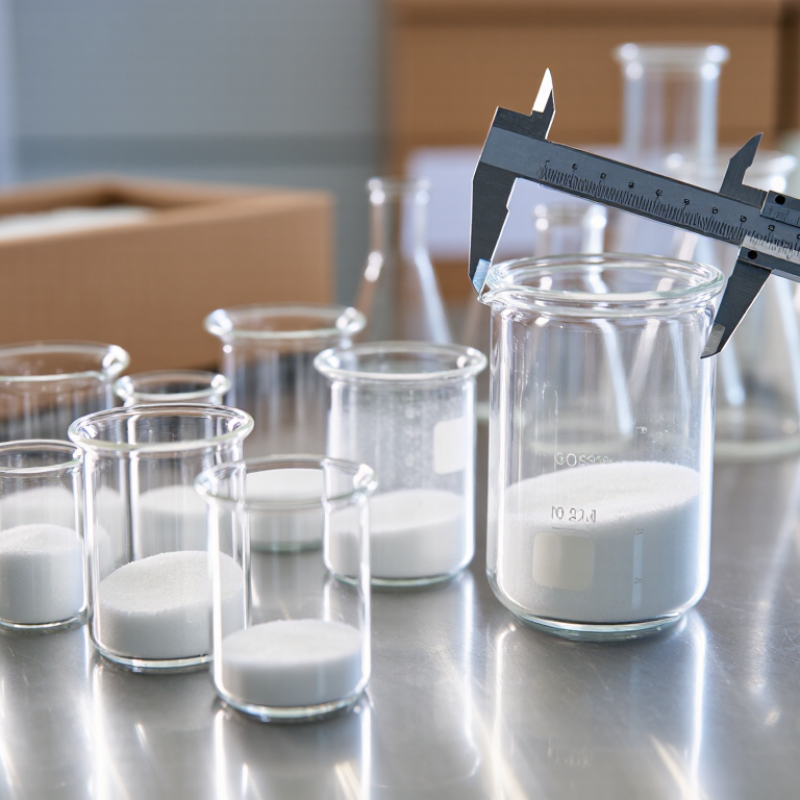
Useful checks include visual inspection under bright light, edge-finish review, and dimensional measurement with calibrated tools. Look for bubbles, cloudy areas, scratches, and uneven rims. These details affect cleaning and thermal stress. Traceability is important. Each batch should link to raw material records and test results. In practice, buyers sometimes focus too heavily on purity and softening point. That is understandable, but incomplete. Crucible geometry, handling quality, and actual furnace conditions can matter just as much. Small deviations may become expensive at production scale.
Seven Leading Manufacturers Compared by Size, Capacity, and Global Certifications
For global buyers, quartz crucible manufacturers should be compared through measurable capacity, not factory photographs.
SEMI’s 2024 World Fab Forecast projected global semiconductor fab capacity to reach about 33.7 million wafers per month in 2025. This growth increases pressure on crucible suppliers to deliver stable batches, short lead times, and consistent wall thickness. A credible comparison should record furnace count, monthly output, maximum crucible diameter, and backup production sites. Large does not always mean better.
Certification adds another layer of evidence.
The ISO Survey 2023 recorded more than 1.26 million ISO 9001 certificates worldwide, showing how common quality certification has become. Buyers should still inspect scope, audit date, and manufacturing location. ISO 9001 supports process control, while ISO 14001 and ISO 45001 indicate environmental and workplace systems. Semiconductor customers may also request RoHS, REACH, or customer-specific contamination controls. Certificates alone cannot prove low metallic impurities.
Capacity claims need practical verification.
Ask for recent batch records, defect rates, inspection methods, and shipment history across regions. A supplier producing 8,000 crucibles monthly may be more reliable than one advertising 30,000 without documented utilization. ASTM and SEMI-related testing practices can help compare purity, thermal shock resistance, and dimensional tolerance. Some reports use different market definitions, so direct comparisons remain imperfect. That limitation matters.
Semiconductor Crucibles: 18–32 Inch Designs for Czochralski Silicon Growth
Selecting among the 7 best quartz glass crucible manufacturers requires more than comparing catalog prices. For Czochralski silicon growth, 18–32 inch crucibles must maintain purity, geometry, and thermal stability during demanding furnace cycles. A small dimensional error can affect melt flow and crystal quality. Fit matters.
Experienced buyers inspect high-purity fused quartz, controlled wall thickness, and low bubble content. They also review hydroxyl levels, surface finish, and resistance to repeated thermal shock. A reliable manufacturer should provide inspection records for each production batch. Traceability matters. Measurements should cover diameter, height, roundness, and bottom shape.
Large crucibles need stable support during charging, melting, and pulling. Uneven walls may create localized stress as temperatures change.
I have found that visual inspection alone is not enough. A clean surface can still hide internal defects.
Suppliers should explain their forming process, annealing controls, packaging methods, and rejection criteria. Technical teams should compare sample data with actual furnace conditions, not only advertised specifications.
For global buyers, communication speed and documentation are practical quality indicators. Request material certificates, dimensional reports, packing photos, and shipment protection details. Ask how the manufacturer handles nonconforming crucibles. The best choice may not be the cheapest one. Costly assumptions remain a weakness in many purchasing decisions.
Solar-Grade Crucibles: 28–40 Inch Formats and High-Temperature Durability
Solar-grade quartz crucibles in 28–40 inch formats must survive demanding thermal cycles. Their size supports larger silicon charges and more efficient crystal production. However, larger dimensions also increase stress during heating, lifting, and cooling.
Experienced buyers should examine quartz purity, wall uniformity, and bubble distribution. These details influence contamination control and service stability. High-temperature durability depends on more than the raw material. A reliable manufacturing process should include controlled forming, careful annealing, and dimensional inspection.
Small variations can become serious defects after repeated furnace cycles. Check the rim, inner surface, and base closely. They deserve attention.
Field performance is not always predictable. A crucible may pass inspection yet show unexpected wear in production. This is where supplier records, batch traceability, and technical support matter. Ask for data from comparable 28–40 inch applications, not only laboratory results.
Thermal expansion, devitrification resistance, and visible surface changes should be discussed openly. One overlooked issue is handling. Large crucibles need secure packaging and clear lifting procedures. A minor impact may create damage that appears only at high temperature. Buyers should compare usable life, not just purchase price, while accepting that operating conditions can change the result.
How Global Buyers Evaluate Lead Time, ISO Compliance, and Total Cost per Unit
7 Best Quartz Glass Crucible Manufacturers for Global Buyers
Global buyers often compare seven shortlisted quartz glass crucible manufacturers. Lead time can influence production more than the catalog price. Ask for confirmed delivery dates, not estimated schedules. Request capacity details, furnace availability, and backup plans for raw material shortages. A reliable supplier should separate processing time from shipping time. These figures are often mixed together. That gap matters.
ISO compliance deserves evidence, not decorative claims. Request the current certificate, issuing body, scope, and expiration date. Check whether the certificate covers the actual manufacturing site. A trading office may hold documents for another facility. Review inspection records for dimensions, purity, wall thickness, and visual defects. Product consistency matters during high-temperature processing. Paperwork alone is not enough.
Total cost per unit includes more than the purchase price. Compare usable crucible volume, service life, packaging, freight, insurance, and import charges. Include replacement rates from previous production runs. A lower-priced crucible may crack earlier or require extra cleaning. That can increase labor and downtime. Ask for a sample batch before signing a large contract. Test it under your real heating profile, not only laboratory conditions. Some evaluations overlook packing damage. That is an uncomfortable detail, but it can change the final cost significantly. Also compare warranty terms, response times, and corrective-action procedures. A supplier that answers quickly may reduce losses when specifications change.