What is the Best Quartz Rod for Your Applications?
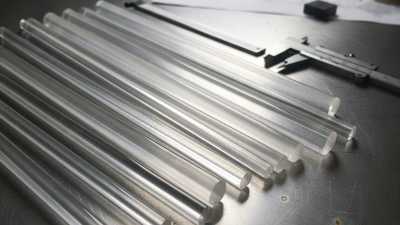
Choosing the right Quartz Rod for your application is crucial. Quartz rods are known for their durability and high temperature resistance. They serve various industries, from telecommunications to scientific research. However, not all quartz rods are created equal.
It's essential to understand the specific requirements of your project. For example, the length, diameter, and purity of the quartz rod can greatly affect performance. Different applications may also require different levels of transparency and thermal conductivity. These factors can impact the efficiency and reliability of your setup.
Experience and expertise play a vital role in selecting the best quartz rod. Consult with specialists who understand the nuances of quartz materials. Don't hesitate to ask for samples or test materials. There may always be a chance for error in decision-making, but with careful consideration, you can make a more informed choice. Your project deserves the best that quartz technology can offer.
What are Quartz Rods and Their Key Properties in Applications?
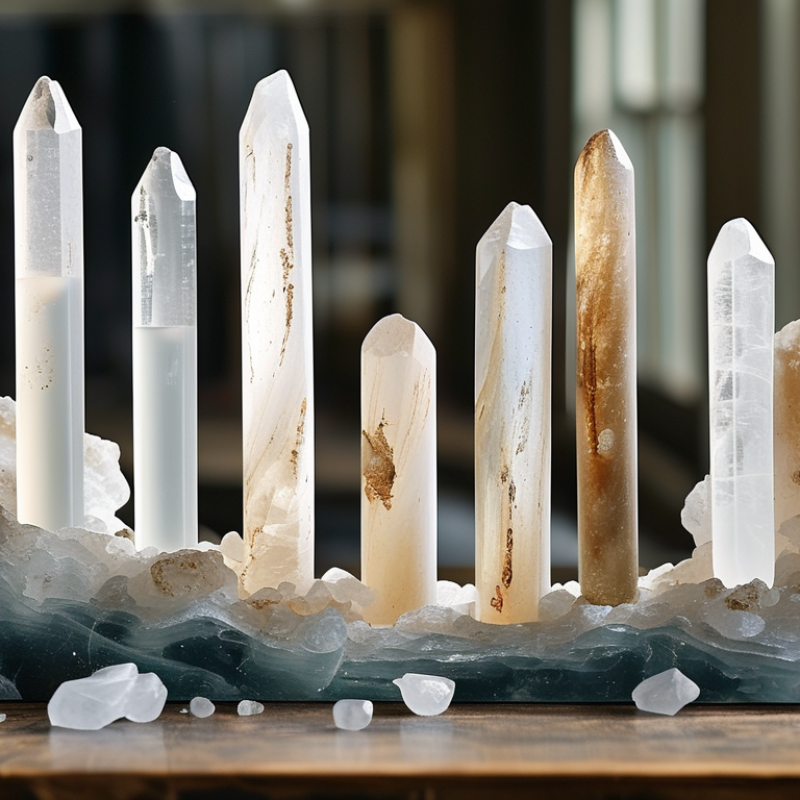
Quartz rods are vital components in various applications due to their unique properties. They are made of crystalline silicon dioxide, which offers excellent thermal stability and resistance to chemical reactions. These rods are often used in optics, electronics, and scientific research. Their ability to withstand high temperatures makes them suitable for laser applications and semiconductor equipment.
In optics, quartz rods provide clear light transmission. They are often found in fiber optics and light-emitting devices. In electronics, their low thermal expansion is essential for maintaining precision in high-performance equipment. This characteristic ensures stability even under fluctuating temperatures.
**Tip:** When selecting a quartz rod, consider the specific wavelength range needed for light transmission.
Additionally, while quartz rods are robust, they can be brittle. Care should be taken when handling them to avoid chipping. Factors like surface finish and length can also impact performance.
**Tip:** Regularly inspect quartz rods for any cracks or defects to ensure optimal performance.
Key Properties of Quartz Rods for Various Applications
Understanding the Different Types of Quartz Rods in the Market
When exploring quartz rods for various applications, it's crucial to know the types available. Quartz rods vary in quality, size, and form, each suitable for specific uses. A common option is the standard fused quartz rod. Known for its high purity, it withstands extreme temperatures. This makes it ideal for scientific lab environments.
Another type is the synthetic quartz rod. These rods can be engineered to have specific properties, such as increased durability. They often serve well in industries where reliability is paramount. However, they might not always match the thermal resistance of natural variants. This can lead to unexpected failures if used inappropriately.
Some users overlook the importance of rod diameter and length. Selecting a rod that is too thin may lead to breakage under stress. Conversely, a rod that is too thick might not fit within existing systems. Understanding your application better can help in making informed choices. Reflecting on past selections could lead to improved outcomes in future projects.
What is the Best Quartz Rod for Your Applications?
| Type of Quartz Rod |
Diameter (mm) |
Length (mm) |
Temperature Resistance (°C) |
Applications |
| Optical Quartz Rod |
10 |
1000 |
1100 |
Laser equipment, Optical devices |
| Fused Quartz Rod |
12 |
1500 |
1200 |
Chemical processing, Laboratory use |
| Synthetic Quartz Rod |
6 |
500 |
1000 |
Electronics, Telecommunications |
| Natural Quartz Rod |
8 |
750 |
800 |
Jewelry, Decorative items |
| High Purity Quartz Rod |
15 |
1200 |
1400 |
Semiconductors, Solar cells |
Factors Influencing the Selection of Quartz Rods for Specific Uses
When selecting quartz rods, several factors come into play. The application largely determines the required properties. For example, the temperature tolerance is crucial for high-heat applications. Quartz rods used in high-temperature settings often require superior thermal stability.
Another factor is purity. High-purity quartz rods are essential in scientific applications. These rods must possess minimal contaminants to ensure accurate results. The dimensions of the quartz rod also matter. Custom sizes may be necessary based on specific setups or machinery used in various industries.
Consideration for environmental impacts is also vital. Some applications demand rods that can withstand corrosive environments. This requirement may limit options further. It is essential to balance performance and cost. Sometimes, the cheapest option may not provide the needed durability or reliability. This can lead to failures or increased maintenance, prompting a reevaluation of choices.
Industry Applications of Quartz Rods: Electronics, Optics, and More
Quartz rods have a broad range of applications, particularly in electronics and optics. The global quartz rod market was valued at approximately $300 million in 2022, and it’s expected to expand at a CAGR of 5% through 2030. This growth is driven by the increasing demand for high-purity quartz in various sectors. In electronics, quartz rods are essential for the production of oscillators and filters. These components rely on the stable frequency control that quartz provides.
In optics, quartz rods are utilized for lenses and light guides. Their excellent optical properties, including high transmission rates and low thermal expansion, make them ideal for precision instruments. Reports indicate that 70% of optics manufacturers prefer quartz for laser applications, underscoring its crucial role. However, sourcing genuine high-purity quartz can be a challenge. Not all suppliers meet stringent quality standards. Companies need to be vigilant about testing the purity of quartz rods. Coatings and surface quality can also greatly affect performance.
In the aerospace and telecommunications fields, quartz rods serve as vital components. Their reliability impacts overall system efficiency. A study showed that a mere 1% variance in quartz purity can alter performance significantly. This serves as a reminder that attention to detail is essential. As industries evolve, the demand for tailored solutions continues to grow. Businesses must stay informed about the latest technological advancements and material properties.
Comparative Performance Analysis of Quartz Rods from Leading Manufacturers
When selecting quartz rods, performance varies significantly among manufacturers. Recent data indicates that clarity, durability, and thermal resistance are key factors. For example, quartz rods can withstand temperatures exceeding 1,000 degrees Celsius. This high-temperature resistance is critical in applications such as semiconductor manufacturing.
Comparative studies show that the thermal expansion coefficient can differ by up to 20% among top manufacturers. This variance affects how rods behave in extreme conditions. Users must consider the operational environment when selecting the appropriate quartz rod. A mismatch can lead to performance issues or even failure.
Tips: Always check the specifications before purchasing. Ensure the rod's thermal properties align with your needs. Testing in small batches can provide insights while minimizing risk. Additionally, consider consulting industry reports for the latest performance metrics, as technology is always evolving.