What is Silica in Glass and Why is it Important?
Silica in glass plays a crucial role in defining the material’s properties. According to Dr. Emily Carter, a renowned materials scientist, “Silica is the backbone of all glass, influencing clarity and strength.” This highlights its importance in the glass industry.
Silica, primarily derived from sand, enables glass to resist high temperatures and impacts. It forms a robust network of silicon and oxygen, providing inherent stability. However, not all silicas are created equal; their purity affects the final product's quality. Slight impurities can lead to discoloration, reducing aesthetic appeal.
Understanding the significance of silica in glass is essential for manufacturers. It influences production costs, sustainability, and functionality. As the industry evolves, experts like Dr. Carter emphasize the need for continual research and improvement in silica sourcing. This ensures glass remains a versatile material in various applications.
What is Silica and Its Role in Glassmaking
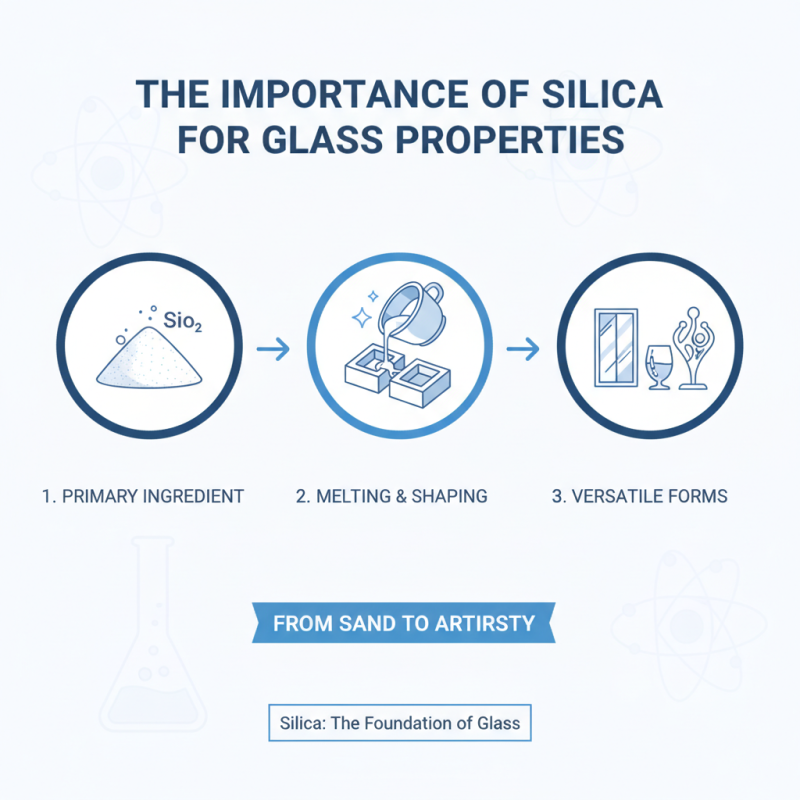
Silica, or silicon dioxide, is a fundamental component in glassmaking. It is the primary ingredient that gives glass its unique properties. When heated, silica transforms into a liquid state that can be shaped and molded into various forms. This transformation is crucial for creating everything from windows to intricate glass sculptures. Without silica, glass would not have the clarity and durability we associate with it today.
The role of silica in glassmaking extends beyond mere composition. It affects the glass's melting temperature, viscosity, and thermal expansion. Properly refined silica enhances the glass’s strength and resistance to thermal shocks. However, sourcing the right type of silica can be challenging. Variations in purity and particle size can impact the final product's quality. Some producers may overlook this, seeking shortcuts that compromise overall performance.
Moreover, understanding the interaction between silica and other materials used in glassmaking is essential. This synergy affects color, opacity, and even the glass's ability to withstand environmental factors. Crafting high-quality glass requires attention to detail. Small differences in silica content can lead to significant variations in the finished product. This complexity adds depth to the glassmaking process, urging artisans to continually learn and refine their techniques.
The Chemical Composition of Silica
Silica, primarily composed of silicon dioxide (SiO2), is a critical component in glass production. It occurs abundantly in nature, mainly as quartz. This naturally occurring mineral contributes to the glass's strength and durability. Silica plays a vital role in forming the glass matrix, which gives glass its transparency and clarity. The properties of silica influence how glass behaves under heat.
Understanding silica's chemical composition is essential. Pure silica consists of 99.9% SiO2. Its physical attributes—hardness and resistance to chemicals—greatly affect the glass-making process. However, not all silica is equal. Different types may have varying impurities, impacting the final product's quality. Using high-purity silica is crucial for creating optical glass or other specialized applications.
In working with silica, one must consider its crystalline structure. While crystalline silica can pose health risks when inhaled, it serves as a valuable resource in glassmaking. The balance between its advantages and risks is an area for ongoing discussion. Those in the industry must navigate these aspects carefully to produce safe and effective glass.
Silica Content in Different Types of Glass
This bar chart illustrates the silica content percentage in various types of glass, highlighting the importance of silica in the glass-making process for its strength and durability.
The Different Types of Silica Used in Glass
When discussing silica in glass, it's crucial to understand the different types. Silica, primarily silicon dioxide (SiO2), is the main ingredient in glass production. But not all silica is the same. There are two primary forms: crystalline and amorphous. Each type has distinct properties affecting glass quality.
Crystalline silica is structured and more robust. It's found in natural sands and quartz. This type provides strength but can lead to brittleness if not managed well. On the other hand, amorphous silica is unstructured and widely used in glass-making. It contributes to clarity and flexibility, essential for many glass products. The choice between these types often comes down to the desired properties of the finished glass.
The purity of silica matters too. Impurities can significantly alter color and transparency. Different sources of silica may vary in quality. Glassmakers must test and select silica carefully. This process can be complex, requiring expertise. Thus, understanding these nuances ensures the production of high-quality glass. Each type of silica has its place, highlighting the importance of selection in the glass-making process.
The Importance of Silica for Glass Properties
Silica, primarily in the form of silicon dioxide, is a key ingredient in glass production. Its role is crucial as it serves as the main glass former. When heated, silica melts and transforms into a liquid state, enabling it to shape and mold into various forms. This transformation is integral to creating everything from simple window panes to intricate glass art.
The properties of glass heavily depend on the quality and purity of silica used. High-purity silica results in clearer and more durable glass. Impurities in silica can affect the color and strength of the glass. The right silica composition can enhance thermal and chemical resistance, which is essential for certain applications, like laboratory glassware. There’s an intricate balance to achieve.
However, not all silica is created equal. Variations in particle size and source can lead to inconsistencies in glass performance. Some manufacturers may prioritize cost over quality, leading to potential issues down the line. Understanding these nuances is vital for anyone in the glass-making industry. Users seeking reliable glass products should be aware of the silica's importance in determining overall performance and longevity.
Silica's Impact on Glass Durability and Clarity
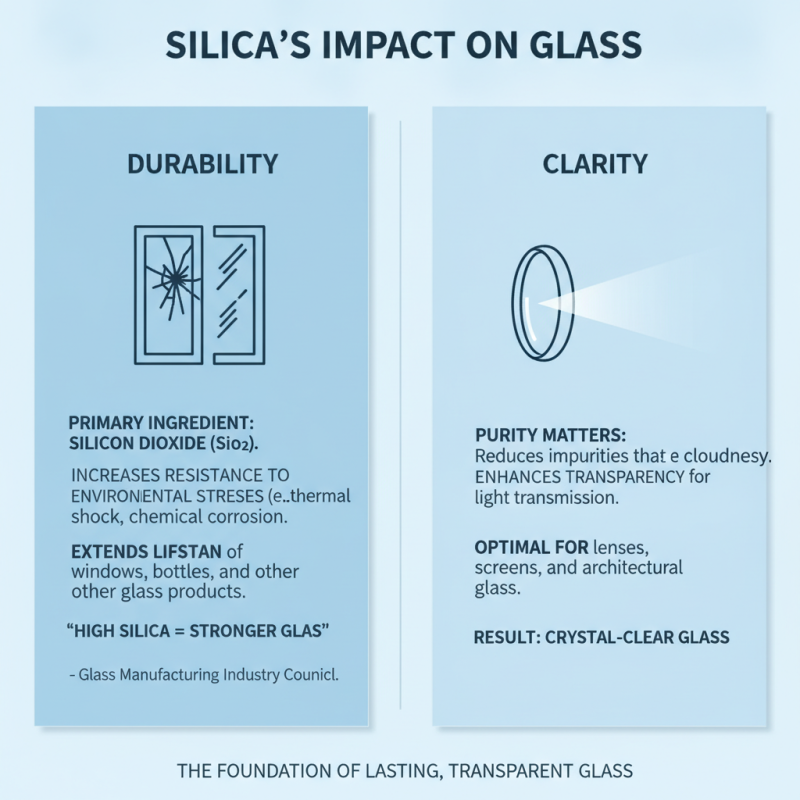
Silica, or silicon dioxide, is the primary ingredient in glass production. It contributes significantly to both the durability and clarity of glass. According to the Glass Manufacturing Industry Council, glass with high silica content can withstand various environmental stresses better. This resistance directly correlates with the lifespan of products like windows and bottles.
Durability in glass is essential for application across industries. Research indicates that silica-rich glass can endure thermal shock and physical impacts more effectively. For example, a study by the American Ceramic Society revealed that glass with over 70% silica can increase its resistance to cracking by up to 30%. This enhancement not only extends the practical use of glass but also improves safety.
Clarity is another crucial aspect influenced by silica. High silica levels result in fewer impurities and defects, leading to enhanced optical clarity. Clear glass is vital for sectors like architecture and automotive. However, crafting the perfect formula is challenging. Balancing silica with other additives often creates trade-offs in clarity versus durability. Innovation continues in seeking the ideal balance, highlighting an ongoing opportunity for improvement in manufacturing practices.