What Are the Benefits of Silica in Glass Manufacturing?
Silica plays a crucial role in glass manufacturing. Known for its hardness and purity, silica in glass is a primary ingredient. The properties of silica contribute significantly to the durability and functionality of glass products. When we consider glass quality, silica stands out as a key component.
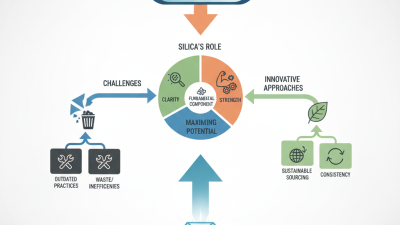
The benefits of silica in glass are manifold. It enhances the melting process and lowers the energy required during production. Silica also provides chemical resistance, making the glass suitable for various applications. Industry experts often highlight the importance of high-quality silica in ensuring optimal glass performance. Despite these advantages, the sourcing of silica can pose challenges. Impurities may affect glass clarity, leading to potential issues.
Understanding the role of silica in glass helps us appreciate the intricacies of glass production. The balance of composition is vital. Manufacturers must be mindful of the silica quality and its source. This awareness can lead to improvements in product quality and sustainability, ensuring less waste in the glass-making process.
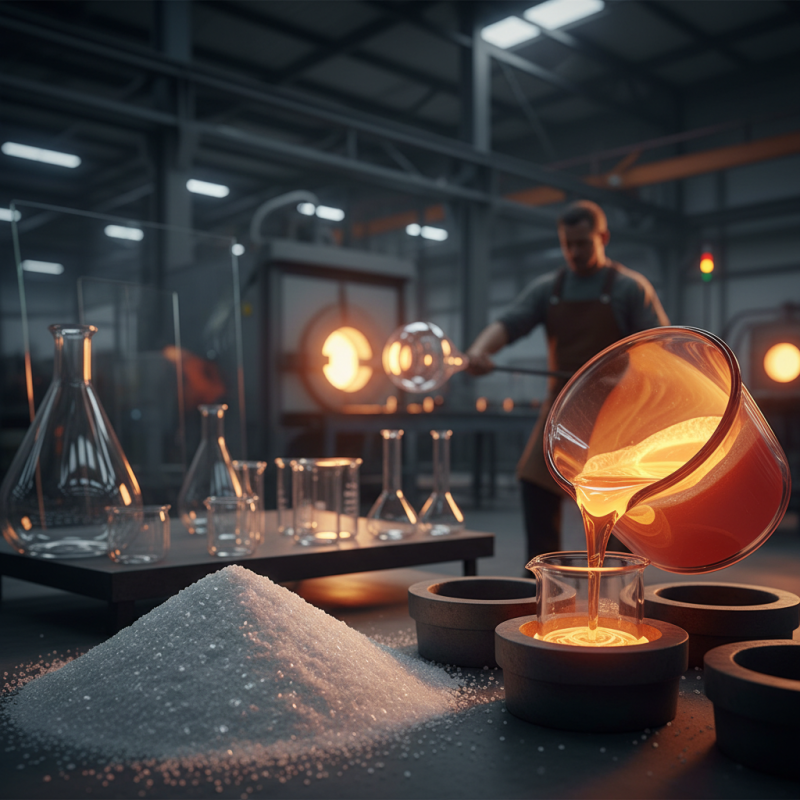
Importance of Silica as a Primary Ingredient in Glass Production
Silica plays a crucial role in glass manufacturing. It serves as the primary ingredient in most glass types. Silica, primarily silicon dioxide, a natural compound found in sand, provides the necessary structure for glass. Without silica, glass would lack its essential characteristics.
The importance of silica extends beyond mere composition. It impacts the clarity and durability of the final product. High-purity silica ensures that the glass remains transparent and strong. Impurities can lead to discoloration, which is undesirable.
The melting point of silica is also significant, allowing for efficient melting during the production process. Glassmakers must carefully control temperatures to achieve optimal results.
While silica is a common choice, sourcing it can pose challenges. Environmental factors affect silica quality, and regions with high-quality silica may be limited. This dependency can create supply issues. Further, the extraction process can raise concerns about sustainability. Manufacturers must consider these aspects to ensure a responsible approach to glass production.
Chemical Properties of Silica That Enhance Glass Quality
Silica is a fundamental component in glass manufacturing. Its chemical properties greatly enhance the quality of the end product. Silica, known as silicon dioxide (SiO2), has a high melting point, which allows for better durability in glass. This feature helps the glass resist thermal shock and maintain structural integrity under varying temperatures.
The purity of silica also plays a crucial role. High-purity silica leads to clearer glass with fewer impurities. Impurities can cause discoloration and reduce transparency. Additionally, silica's ability to form strong covalent bonds improves the overall strength of the glass. This property not only enhances its aesthetic appeal
but also makes it suitable for various applications, from windows to bottles.
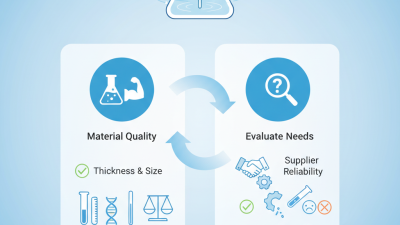
However, not all silica is created equal. It can vary in purity and composition. Manufacturers need to be aware of these differences to ensure quality. Inconsistent silica quality can lead to flaws in glass products. These flaws may not be visible until the glass is in use. Therefore, careful selection and testing of silica are essential. This process requires expertise and attention to detail in the manufacturing phase.
Impact of Silica on Glass Melting Temperature and Energy Efficiency
Silica is a fundamental component in glass manufacturing. Its impact on melting temperature and energy efficiency is profound. Studies suggest that incorporating silica can lower the melting point of raw materials. This can result in significant energy savings during production. According to the Glass Manufacturing Industry Council, the right silica mixture can reduce energy consumption by 15-20%.
Higher silica content often means a more stable glass matrix. As a result, manufacturers achieve a more consistent melting process. This stability allows for a decrease in peak melting temperature. Data indicates that controlling the silica ratio can lead to temperatures reduced by up to 50°C. Such temperature drops contribute to lower energy bills over time.
However, using too much silica can cause other issues. It might lead to prolonged melting times or lower glass quality. This requires careful balance and assessment. Manufacturers need to consider both the benefits and potential downsides of silica use. Each production line is unique, and adjustments should be made based on specific needs. Evaluating these factors is essential for optimizing both efficiency and product quality.
What Are the Benefits of Silica in Glass Manufacturing? - Impact of Silica on Glass Melting Temperature and Energy Efficiency
| Aspect |
Details |
| Primary Component |
Silica (SiO2) constitutes about 70-75% of glass composition. |
| Melting Temperature |
Silica lowers the melting point of raw materials, improving melt quality. |
| Energy Efficiency |
Using silica contributes to lower energy consumption during glass production. |
| Mechanical Strength |
Enhances the mechanical strength of the produced glass. |
| Chemical Durability |
Silica increases the chemical durability of glass products. |
| Transparency |
Improves clarity and transparency of the final glass product. |
Role of Silica in Improving Glass Durability and Resistance
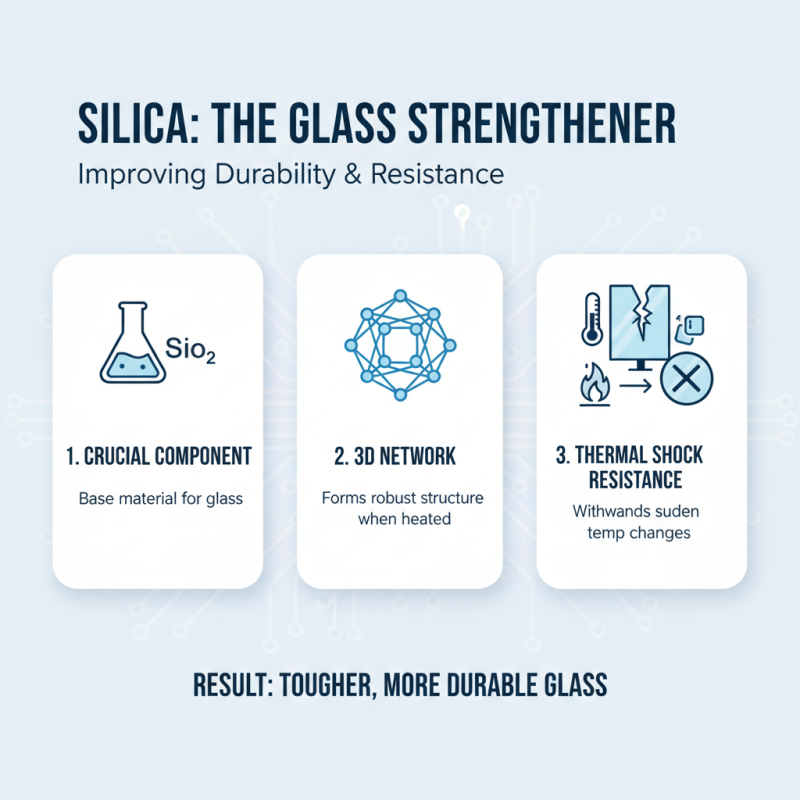
Silica is a crucial component in glass manufacturing. It enhances the overall durability of glass products. Silica forms a strong three-dimensional network when heated. This structure significantly increases resistance to thermal shock. As a result, glass can withstand sudden temperature changes better.
The presence of silica also improves chemical resistance. This is vital for glass used in various environments, from kitchens to laboratories. Silica helps create surfaces that resist corrosion and staining. Yet, challenges exist. Not all silica sources maintain the same purity and particle size. Inconsistent qualities can affect glass performance.
Moreover, the processing of silica can complicate manufacturing. Proper handling and mixing are essential to achieve desired results. Manufacturers must balance high silica content with production costs. Attention to these details ensures a reliable final product. Overall, the role of silica in enhancing glass durability and resistance remains significant, albeit with some hurdles.
Economic Benefits of Using Silica in Glass Manufacturing Processes
Silica plays a pivotal role in glass manufacturing. Its economic benefits are noteworthy. Globally, the glass industry is valued at over $100 billion. This vast market relies heavily on silica sand as a primary ingredient. Using high-quality silica can enhance yield and lower production costs, leading to significant savings.
According to industry reports, utilizing silica can reduce energy consumption by up to 30%. This reduction is achieved through improved melting efficiency. Moreover, silica's high purity ensures fewer impurities in the final product. This results in less waste and higher-quality glass. Companies report that investing in silica-based materials can lead to long-term financial gains.
However, the process is not without challenges. The extraction and processing of silica can be resource-intensive. Environmental concerns also arise regarding sustainable sourcing. Many firms are seeking to balance economic benefits with ecological responsibilities. Adopting innovative technologies in silica processing may address these issues. Forward-thinking approaches can enhance sustainability while preserving profitability.
Economic Benefits of Using Silica in Glass Manufacturing