What is Glass Quartz Crystal and How is it Used?
Glass Quartz Crystal is a fascinating material that finds extensive applications across various industries. According to a recent market report by Grand View Research, the global quartz market is expected to reach USD 9.52 billion by 2025, illustrating its growing significance. This crystal is renowned for its clarity and durability, making it ideal for precision instruments.
In the electronics sector, Glass Quartz Crystal is employed in oscillators and sensors. Its unique properties allow for stable frequency generation. The demand for miniaturized devices has further propelled its usage. However, sourcing high-quality quartz remains a challenge. Environmental factors also impact its availability and pricing.
The versatility of Glass Quartz Crystal is evident in its use in jewelry, watches, and even scientific equipment. While its aesthetic appeal attracts consumers, the technical attributes cater to engineers and researchers. As industries evolve, the importance of sustainable sourcing becomes crucial. Thus, advancements in production methods are vital, but not without their own set of challenges.
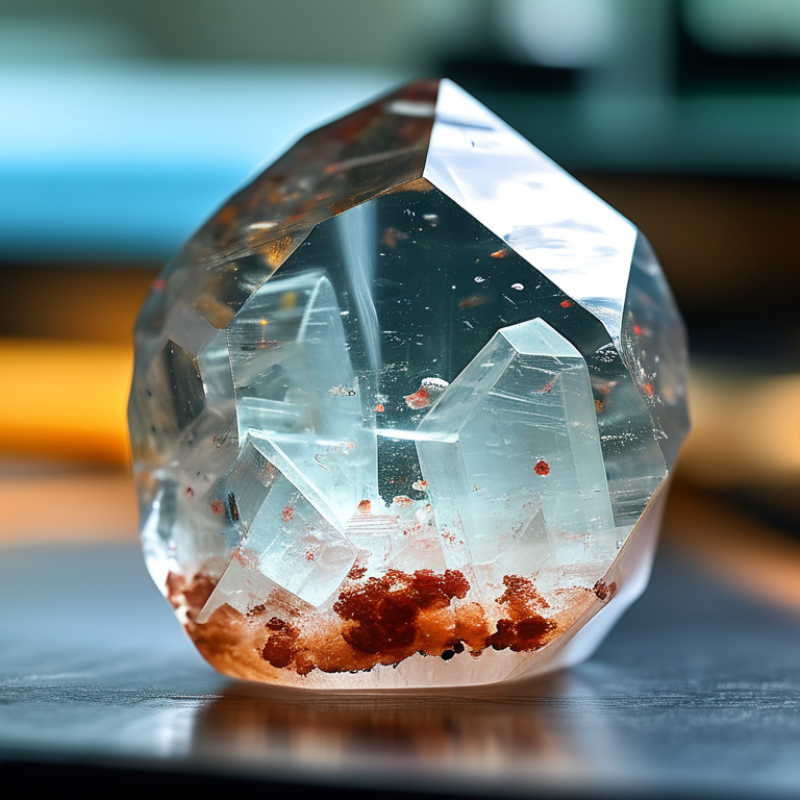
What is Glass Quartz Crystal?
Glass quartz crystal is a remarkable material derived from silica. It is created through a specific process of heating and cooling. The result is a transparent, durable crystal with unique optical properties. This material has been a favorite in both industrial and consumer applications for its aesthetic appeal and functionality.
According to a recent market analysis by Grand View Research, the global quartz market is expected to reach $8 billion by 2026. The versatility of glass quartz crystal makes it a key player in electronics, construction, and jewelry. In electronics, it is often used in oscillators and resonators. Its stable frequency performance is crucial for precise communications.
However, the production and disposal of glass quartz crystals raise environmental concerns. This material requires energy-intensive processing. Additionally, the long lifespan of quartz products means they contribute to waste if not recycled properly. The industry is grappling with these sustainability issues while striving to make glass quartz crystal more eco-friendly.
The Composition of Glass Quartz Crystal
Glass quartz crystal is primarily composed of silica, or silicon dioxide (SiO2). This natural mineral is crucial for various industrial applications. Silica makes up about 95% of glass quartz crystal. It provides the unique optical and physical properties that characterize this material. Pure quartz crystals are often used in electronics, optics, and telecommunication industries.
Research indicates that the global demand for quartz crystal has been steadily increasing. According to a market report, the crystal growth rate is expected to surpass 5% annually over the next five years. This rise is attributed to the expansion of technology sectors, especially in mobile devices and renewable energy.
While glass quartz crystal offers many advantages, such as high thermal stability and resistance to mechanical stress, it isn't without challenges. Impurities in the quartz can affect its optical clarity. This can lead to variability in performance for some applications. Moreover, the processing of quartz into glass can be energy-intensive, raising sustainability concerns. Addressing these factors is essential for the future advancement of quartz technologies.
What is Glass Quartz Crystal and How is it Used? - The Composition of Glass Quartz Crystal
| Property |
Description |
Uses |
| Composition |
Primarily made of silicon dioxide (SiO2) |
Used in electronics and optical products |
| Appearance |
Transparent with a glass-like finish |
Jewelry, decorative items |
| Thermal Properties |
Good thermal stability and resistance |
High-temperature applications |
| Electrical Properties |
Excellent insulator of electricity |
Used in capacitors and insulators |
| Optical Clarity |
High optical clarity and low birefringence |
Lenses, prisms, and optical instruments |
| Cultural Significance |
Believed to have metaphysical properties |
Healing and spiritual practices |
The Properties and Characteristics of Glass Quartz Crystal
Glass quartz crystal is a unique material with remarkable properties. Its high purity and excellent optical clarity make it valuable in various applications. It is composed primarily of silicon dioxide, which gives it a strong resistance to thermal and mechanical stress. This durability makes it ideal for high-performance environments, such as laboratories and electronics.
One of its notable characteristics is its ability to maintain stability across a wide temperature range. This trait is essential in precision instruments, where even slight variations can lead to errors. Additionally, glass quartz crystal is transparent to ultraviolet light, enhancing its use in optical devices and scientific research. However, not all glass quartz crystals are identical. Variations in size, shape, and quality can impact their performance.
Handling glass quartz crystal requires care. Despite its strength, it can chip or scratch easily. The cleaning process should involve non-abrasive materials to preserve its integrity. Observing these factors ensures that its exceptional qualities are employed effectively. Each application brings unique challenges, fostering an ongoing exploration of the material’s capabilities.
Common Applications of Glass Quartz Crystal
Glass quartz crystal is a versatile material widely used in various industries. Its unique properties make it ideal for applications in electronics, telecommunications, and optics. According to a report by Transparency Market Research, the global quartz crystal market is projected to reach USD 2.9 billion by 2028, driven by increasing demand in the tech sector.
One significant application of glass quartz crystal is in the manufacturing of oscillators and resonators. These devices are crucial for maintaining frequency stability in electronics. Approximately 60% of electronic devices rely on quartz crystal technology for accurate timekeeping and signal processing. Additionally, glass quartz is utilized in fiber optics. Its high transparency and low attenuation rates enable efficient signal transmission over long distances.
In the optical field, glass quartz serves as a substrate for various optical coatings. Researchers note that the use of quartz in optics can enhance durability and performance. However, sourcing high-quality quartz can be inconsistent due to geographical and environmental factors. This dependency raises a concern regarding sustainability and long-term availability. The industry must explore alternative materials or methods to ensure reliable access to glass quartz crystal in the future. These challenges highlight the need for ongoing innovation and responsible practices within the sector.
The Manufacturing Process of Glass Quartz Crystal
The manufacturing process of glass quartz crystal is complex and requires precision. It starts with the selection of raw materials. High-purity silica sand is essential for producing quality crystals. This sand undergoes thorough purification to remove impurities. After purification, it is mixed with other materials. This mixture is then heated to very high temperatures.
During heating, the materials melt and fuse together. This results in a viscous liquid. The liquid is then carefully cooled, allowing it to form a solid structure. Once solidified, the quartz crystal is cut into desired shapes. Each cut must be precise to maintain crystal integrity. After cutting, the crystals may undergo polishing for clarity and shine.
Even with advanced techniques, the process isn’t flawless. Small imperfections can occur, affecting the clarity of the crystals. Sometimes, the color can vary unexpectedly. These inconsistencies require skilled artisans to assess each piece. The final product must meet strict standards to ensure quality. These challenges highlight the need for continuous improvement in the manufacturing process.
Glass Quartz Crystal Usage in Various Industries