How to Choose the Best Quartz Glass Crucible for Your Needs?
Choosing the right Quartz Glass Crucible can significantly impact your experiments. Dr. Emily Chen, a leading expert in materials science, emphasizes, "The quality of your crucible determines the precision of your results." Understanding the specifics of quartz glass can guide you in making an informed choice.
Quartz Glass Crucibles come in various sizes and grades, each tailored for different applications. When selecting one, consider your specific needs. High-purity options are ideal for sensitive chemical reactions, while general-purpose varieties may suffice for basic tasks. It’s crucial to assess your requirements beforehand.
However, many consumers overlook the importance of temperature tolerance. Remember, not every crucible withstands extreme heat. This oversight can lead to unexpected failures in experiments, underscoring the importance of thorough research. Finding a reliable supplier also enhances your experience, ensuring you receive high-quality products consistently.
Understanding the Types of Quartz Glass Crucibles and Their Applications
Choosing the right quartz glass crucible is crucial for various applications, including laboratory experiments and industrial processes. There are different types of quartz glass crucibles based on their composition and design. High-purity quartz crucibles are known for their excellent thermal stability and chemical resistance, making them suitable for semiconductor manufacturing and high-temperature experiments.
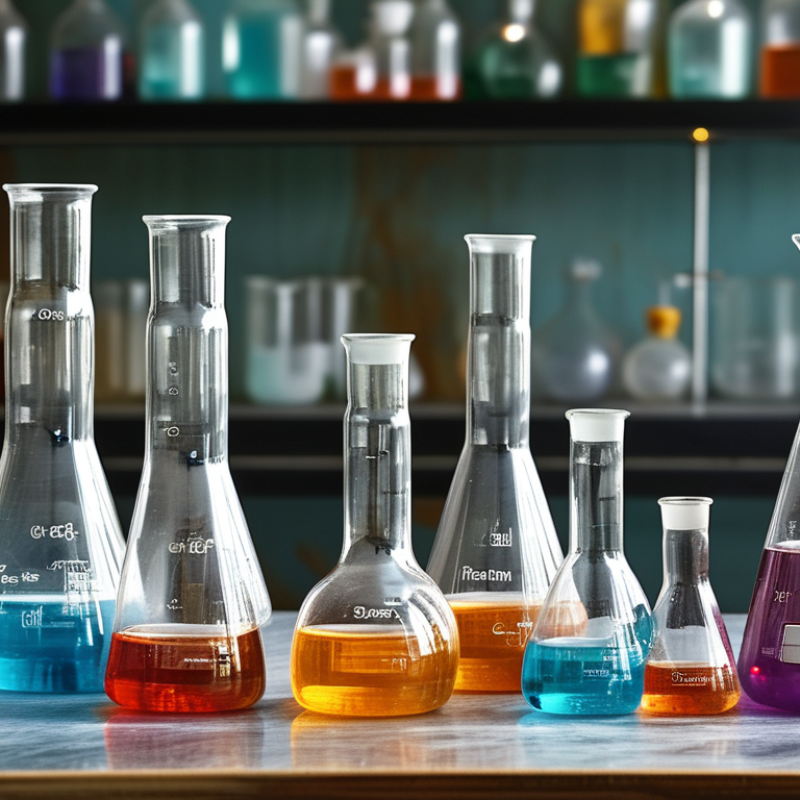
Crucibles can also vary in shape—cylindrical, conical, or customized designs. The shape impacts thermal distribution and ease of handling. According to industry data, cylindrical crucibles are often preferred for uniform heating, while conical shapes offer advantages in application and cleaning.
Tip: Assess your application requirements carefully. The intended temperature range and material compatibility are critical factors in your selection.
Another consideration is the crucible's size. Smaller crucibles are often used for precise experiments, while larger ones accommodate bulk material processes. Industry insights highlight that quartz crucibles retain durability, but overuse can lead to gradual degradation.
Tip: Regular inspections for wear and tear can extend the lifespan. Avoid exposing quartz crucibles to rapid temperature changes, which can cause stress fractures.
Understanding these factors can optimize your use of quartz glass crucibles and ensure successful outcomes in your projects.
How to Choose the Best Quartz Glass Crucible for Your Needs?
| Type of Quartz Glass Crucible |
Max Temperature (°C) |
Material Properties |
Typical Applications |
| Standard Quartz Crucible |
1100 |
High purity silica, excellent thermal stability |
Melting metals, laboratory experiments |
| High Purity Quartz Crucible |
1200 |
Ultra-low contamination, superior thermal shock resistance |
Semiconductor applications, high-precision analyses |
| Fused Quartz Crucible |
1350 |
Non-crystalline form, excellent thermal and optical properties |
Glass production, high-performance optics |
| Spherical Quartz Crucible |
1000 |
Uniform heating, reduced thermal gradient |
Experimental setups, plasma physics |
Key Properties of Quartz Glass Crucibles: Thermal Stability and Purity
When selecting a quartz glass crucible, thermal stability and purity are essential properties to consider. Quartz glass can withstand extreme temperatures, making it ideal for high-performance applications. Its high melting point allows it to maintain structural integrity even under intense heat. However, not all quartz glass products are created equal. Variations in manufacturing processes can lead to inconsistencies in thermal stability.
Purity is another critical factor. High-purity quartz glass is free from contaminants that could affect experimental results. Impurities can alter melting points and lead to unwanted reactions. Choosing a crucible with low impurity levels helps ensure reliable outcomes in chemical processes. It's important to verify the specifications provided by suppliers.
Furthermore, while many crucibles claim high purity, real-world usage can reveal flaws. Sometimes, they may not perform as advertised under specific conditions. Conducting thorough research and seeking expert opinions can guide better choices. Opting for high-quality materials will ultimately foster consistent and accurate results in your projects.
Evaluating Size and Volume Requirements for Specific Laboratory Uses
When selecting the best quartz glass crucible, understanding size and volume is essential. Different laboratory applications require specific dimensions. For instance, a small volume is suitable for delicate experiments, while larger volumes are necessary for bulk processes. Evaluating your specific needs helps avoid miscalculations and errors.
Tips for choosing the right size: Measure the exact amount of material you plan to use. Always consider the expansion of materials during heating. This factor can influence your choice. Too small a crucible may lead to spillage, compromising results.
Additionally, think about the heating method. Some require specific vessel shapes for optimal performance. If you're unsure about the size, testing with various volumes can lead to better results. Keep a log of your experiments. Ultimately, the right crucible size benefits accuracy and efficiency in your work.
Selection Criteria: Cost, Brand Reputation, and Certification Standards
Selecting the best quartz glass crucible involves careful consideration of several factors. Cost is an immediate concern for many buyers. Industry reports reveal that quartz crucibles can range significantly in price, impacting your budget. Higher-priced models often indicate better quality, but this isn't always the case. It's crucial to weigh your specific needs against the cost.
Brand reputation plays a significant role as well. Established brands often have a track record of producing reliable products. Research shows that user reviews and industry feedback can provide valuable insights. Opting for well-reviewed brands can increase your chances of satisfaction. However, newcomers may also offer innovative features at competitive prices.
Certification standards are essential too. Look for crucibles that comply with industry regulations, as this ensures safety and consistency. Reports indicate that certified products reduce the risk of failure during high-temperature applications. Tips for choosing include checking if the product meets ASTM or ISO standards. Ask for quality assurance data to back up claims.
Choosing the right quartz crucible takes time. Avoid rushed decisions based on price alone. Keep an eye on emerging brands with cutting-edge technologies. Balancing cost, reputation, and certifications leads to better outcomes in your projects.
Maintenance and Durability Considerations for Optimal Performance
When selecting quartz glass crucibles,
maintenance and durability are crucial for
optimal performance. Quartz glass can withstand high temperatures, making it ideal for melting
and holding materials like metals and ceramics. Research indicates that crucibles can maintain
structural integrity at temperatures exceeding 1,000°C. However,
inadequate care can lead to cracks and failures, affecting your projects.
Cleaning is essential for maintaining a quartz glass crucible. Residues from
previous uses can cause contamination or thermal shock. Experts recommend using distilled water
and non-abrasive materials to clean your crucibles. Regular inspections for signs of wear or
damage can help prevent catastrophic failures. Small cracks may be
overlooked but can lead to significant problems during operation.
Durability also hinges on proper handling. Avoid sudden temperature shifts, which can stress
the material. A study noted that improper handling increases failure rates by
up to 30%. Understanding the limitations of your
crucibles is vital. Invest in quality storage solutions to protect them from physical damage.
By paying attention to these factors, you'll considerably enhance the lifespan and performance
of your quartz glass crucibles.