

Silica vs. Quartz: Key Differences, Uses, and Reliable Suppliers & Manufacturers
Understanding the difference between silica and quartz is essential for informed purchasing decisions. Silica is a compound consisting of silicon and oxygen, whereas quartz is a crystalline form of silica. This distinction influences the applications and quality of materials selected for various projects. In the industry, sourcing from reliable manufacturers is vital. Donghai County Lifu Quartz Technology Co., Ltd. is noted for providing high-quality quartz products that cater to diverse industry requirements, from construction to electronics. Choosing the right material can significantly enhance the success of your project.



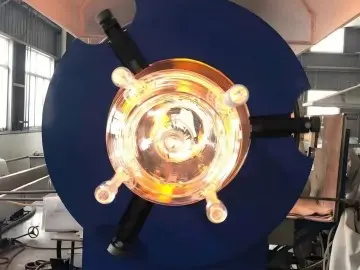
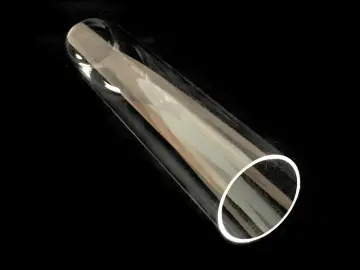

Advantages Explained Difference Between Silica And Quartz Products Pioneers in the Field
In the world of materials, silica and quartz products play vital roles in various industries, from construction to electronics. Understanding the differences and advantages of these two materials is essential for making informed procurement decisions. Silica, primarily composed of silicon dioxide (SiO2), is found predominantly in nature as sand. It serves as a fundamental ingredient in the production of glass and ceramics, offering benefits such as excellent thermal stability and high chemical resistance. This makes silica an excellent choice for applications requiring durability and toughness. On the other hand, quartz is a crystallized form of silica, known for its high purity and superior optical properties. It is utilized in specialized applications, including advanced electronics, telecommunications, and precision instruments. The unique properties of quartz, such as its ability to withstand high temperatures and its inherent piezoelectric characteristics, make it indispensable in the manufacturing of high-quality products like watches and sensors. By selecting the right material—be it silica or quartz—purchasers can significantly enhance the quality and efficiency of their final products, ensuring they meet the demanding requirements of their specific applications. In conclusion, understanding the advantages and differences between silica and quartz products is crucial for global buyers looking to source high-quality materials. By leveraging the unique properties of these materials, businesses can achieve superior performance and competitive advantages in their respective markets.
Advantages Explained: Difference Between Silica And Quartz Products Pioneers in the Field
| Product Type | Main Components | Purity Level | Applications | Cost Efficiency |
|---|---|---|---|---|
| Silica | Silicon Dioxide (SiO2) | Varies (0-99%) | Glass making, Construction materials | Lower cost, more accessible |
| Quartz | Highly pure Silicon Dioxide (SiO2) | 99% or higher | Electronics, Jewelry, Watches | Higher cost due to purity and processing |
| Fumed Silica | Amorphous Silicon Dioxide | Over 99.8% | Thickeners, cosmetics, adhesives | Moderate to high cost, specialized applications |
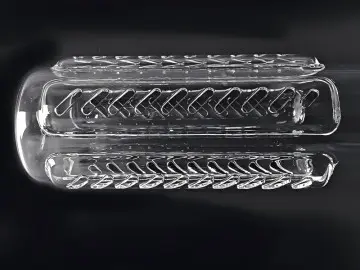
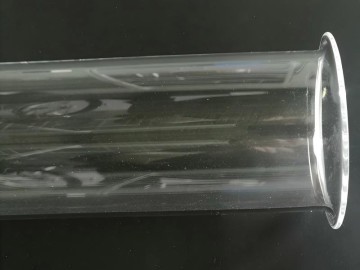

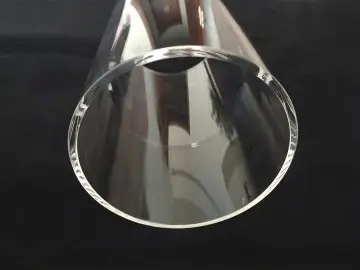
Advantages Explained Difference Between Silica And Quartz From Concept to Delivery More Than a Supplier - A Partner




M
Mia Walker
Quality was even better than I expected! The follow-up service was also very satisfactory.
03 June 2025
R
Ryan Wilson
The items I purchased were of excellent quality. The customer service team was very supportive.
29 May 2025
E
Ella Hughes
The craftsmanship is impressive. Their support staff is fantastic.
12 June 2025
L
Leo King
Great quality and excellent after-sales service! Truly a pleasure doing business.
25 May 2025
R
Riley Scott
Exceptional service! The quality of their goods is always high.
07 July 2025
S
Scarlett Lee
The quality is exceptional. The customer service team is both resourceful and friendly.
19 May 2025