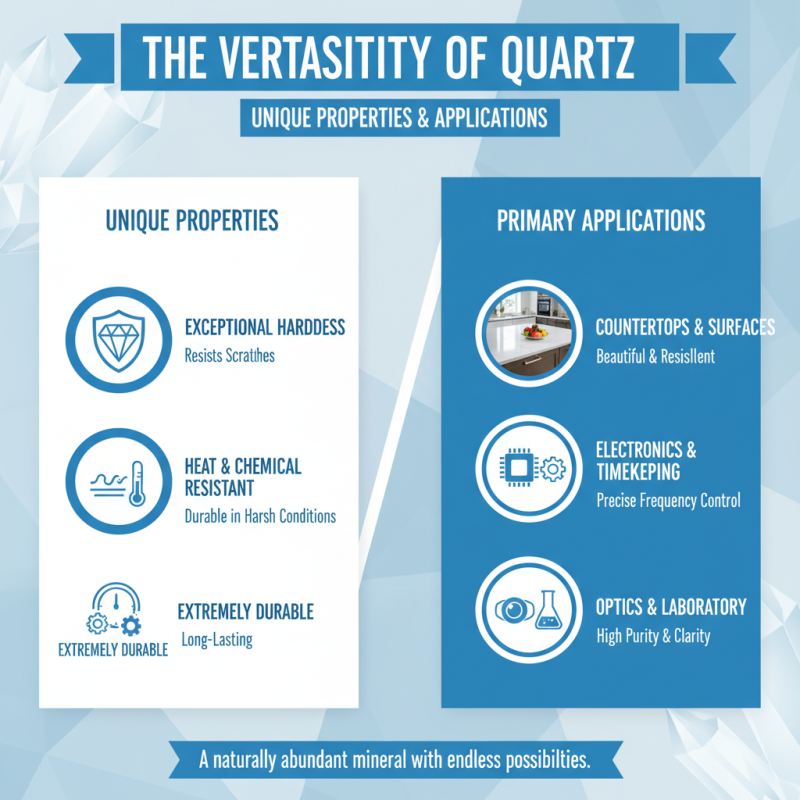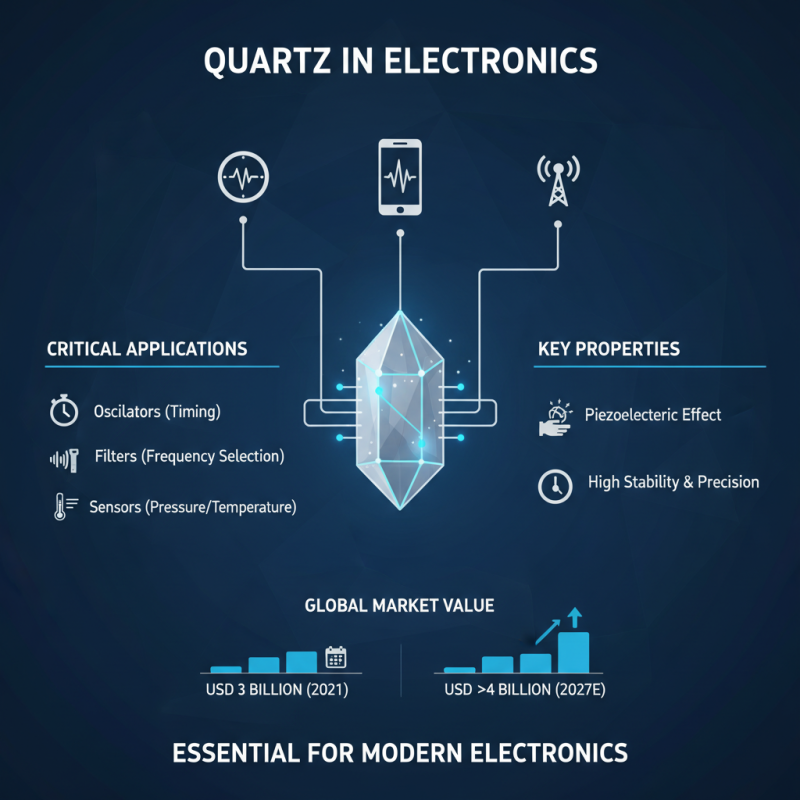
Quartz is a remarkable material known for its diverse applications and exceptional properties. The “Strength of Quartz” plays a crucial role in various industries. This strength comes from its unique mineral structure, making it resistant to wear and tear. Its durability is unmatched, which is why it sees use in everything from electronics to construction.
In the tech world, quartz is invaluable. It forms essential components in watches and smartphones, owing to its stable and reliable performance. The aerospace industry also benefits significantly. Here, quartz is used in manufacturing high-tech components that can withstand extreme conditions. In construction, quartz countertops are popular due to their stain resistance and aesthetic appeal.
Despite its strengths, it's vital to understand the limitations. Not all quartz is created equal, and some applications may not utilize its full potential. As we explore the top 10 strengths of quartz, we must consider these aspects. This insight ensures informed decisions when leveraging this extraordinary material.
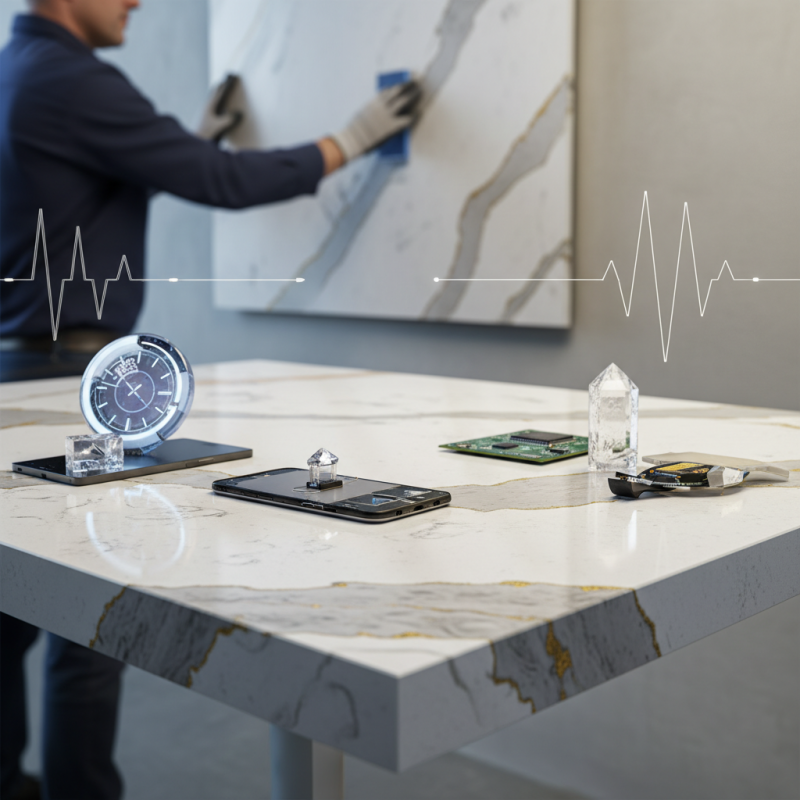
Quartz is one of the most versatile minerals on Earth. Its unique properties make it valuable across various applications. For instance, quartz is known for its exceptional hardness and can resist scratches easily. This durability makes it ideal for countertops, which remain stunning even after years of use.
In electronics, quartz crystals play a crucial role. They help regulate frequency in devices like smartphones and computers. The precision of quartz ensures that signals are transmitted accurately. However, the challenge lies in ensuring these crystals are manufactured consistently to meet high industry standards.
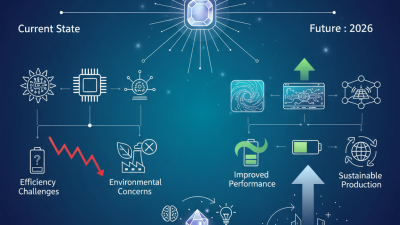
Another fascinating aspect is quartz’s piezoelectric properties. When pressure is applied, it generates an electrical charge. This feature is utilized in pressure sensors and accelerometers. While the technology has advanced, there are still limitations in maximizing efficiency in certain environments. Understanding these properties can help researchers improve quartz applications further. The exploration of quartz’s versatility continues, revealing more potential benefits while acknowledging current challenges.
Quartz plays a vital role in electronics. It is essential for many critical applications, largely due to its unique properties. The global quartz crystal market was valued at around USD 3 billion in 2021. By 2027, this figure is expected to exceed USD 4 billion, indicating strong demand. Its importance lies in its piezoelectric capabilities, allowing it to generate an electric charge when subjected to mechanical stress.
In smartphones, quartz crystals are integral to maintaining accurate timekeeping and signal processing. The precision of these crystals affects performance metrics. For instance, a high-quality quartz crystal can achieve frequency stability with variations of only ±20 to ±50 ppm. This accuracy enhances GPS functionality and improves overall user experience. Moreover, in the telecommunications sector, quartz oscillators are used to stabilize frequencies, which are critical for data transmission.
However, the increasing reliance on quartz comes with challenges. Sourcing high-grade quartz can be difficult. Additionally, the rising demand puts pressure on sustainable mining practices. Companies need to reflect on their sourcing and production methods. Balancing performance with ethical considerations remains a paramount concern in the quartz industry. Each application of quartz brings us closer to advancing technology, yet the industry must navigate these complex issues.
Quartz plays a significant role in healthcare innovations, particularly in medical instrumentation. Its unique properties make it an essential material for various diagnostic and therapeutic devices. Quartz is known for its stability and accuracy in measuring time and frequency. This makes it ideal for use in advanced medical equipment.
In devices like ultrasound machines and blood pressure monitors, quartz crystals help ensure accurate readings. They provide reliable measurements that are crucial for patient care. However, there are challenges. For instance, the integration of quartz into new technologies can be complex. The manufacturing process requires precision, and small errors can impact device performance.
Moreover, while quartz is robust, it can be fragile. This fragility poses risks during handling and transportation of medical equipment. Careful planning in the design phase is essential to mitigate these risks. Engineers must continuously innovate to improve quartz applications in healthcare. Addressing these challenges enhances the reliability and effectiveness of medical instruments.
Quartz is more than just an attractive mineral; it serves as a reliable choice in construction and architecture. Its unique properties offer significant advantages in maintaining durability and enhancing structural integrity. Quartz can withstand harsh weather conditions, making it ideal for outdoor applications. This resilience is vital for buildings that need to last.
The aesthetic appeal of quartz also plays a crucial role in design. It comes in various colors and patterns, allowing architects to create stunning visual effects. Yet, its strength doesn’t compromise beauty. However, while quartz is durable, not all applications may utilize it effectively. Some projects might overlook its proper care needs. Understanding these aspects can improve longevity.
Choosing quartz means investing in quality and aesthetics. Its innate toughness provides peace of mind, especially in high-traffic areas. However, not every installation considers the full lifecycle of materials. This oversight may lead to increased maintenance. In any case, recognizing both the benefits and potential limitations of quartz helps make informed decisions in construction and architecture.
| Application | Strengths | Durability | Aesthetic Appeal | Cost-Effectiveness |
|---|---|---|---|---|
| Countertops | Non-porous, scratch-resistant | Highly durable for daily use | Available in various colors | Moderate pricing |
| Flooring | Resistant to heavy foot traffic | Longevity in high-usage areas | Elegant finishes | Value for long-term investment |
| Wall Panels | Impact-resistant | Durable against moisture and stains | Modern and sleek designs | Competitive pricing for aesthetics |
| Bathroom Surfaces | Anti-bacterial properties | Resistant to mold and mildew | Stylish and customizable | Economical with longevity |
| Industrial Applications | High tensile strength | Suitable for machinery components | Functional with an industrial edge | Cost-efficient machinery use |
| Exterior Cladding | Weather-resistant | Lasts in harsh conditions | Variety of styles | Affordable for large surfaces |
| Window Sills | Waterproof and durable | Withstands weather exposure | Elegant accents for homes | Long-lasting investment |
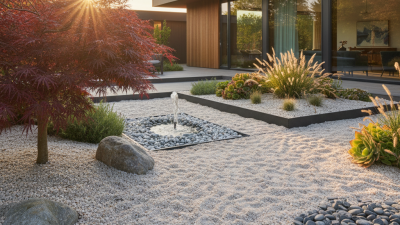
| Patios and Outdoor Spaces | Non-slip surface | Durable for outdoor activities | Stylish outdoor aesthetics | Value in outdoor projects |
| Fireplaces | Heat resistant | Withstands high temperatures | Elegant focal points | Cost-effective luxury |
| Furniture Surfaces | Scratch-resistant | Durable for everyday use | Stylish and modern | Affordable options available |
Quartz has become a prominent material in the fashion industry, combining both aesthetic appeal and functionality. Its unique properties lend themselves to innovative designs. According to the International Quartz Association, the demand for quartz in fashion has increased by 25% in the last five years. This trend signifies how designers are beginning to appreciate quartz not just for its beauty, but also for its versatility.
The use of quartz in fashion can be observed in jewelry, accessories, and even clothing. Its durability and resistance to scratches make it ideal for pieces that require longevity. Additionally, quartz can be produced in a variety of colors and textures, enhancing its visual appeal. Recent studies indicate that 70% of consumers prioritize sustainability in fashion, and quartz's eco-friendly production processes align with this trend. However, not all quartz products are created equal. Quality can vary significantly between sources, leading to inconsistencies in design and functionality.
Fashion professionals often overlook the importance of sourcing high-quality quartz. Poor-quality materials can undermine a designer's vision and impact the final product's value. As the industry evolves, it’s crucial for designers to stay informed about material sourcing. The fashion industry must reflect on the implications of their material choices, ensuring not just aesthetic appeal but also ethical responsibility.