How to Melt Quartz Crystal in Simple Steps?
In the realm of materials science, melting quartz crystal is a fascinating process that captures the attention of both hobbyists and researchers. Dr. Emily Carter, a leading expert in mineralogy, once stated, "Understanding melting quartz crystal opens new avenues in industrial applications." Her insight highlights the significance of this topic in various industries.
The journey of melting quartz crystal involves precise temperatures and techniques. Quartz, primarily made of silicon dioxide, requires extreme heat to transition from solid to liquid. This process can be complex but offers innovative possibilities. The beauty of quartz is not only in its appearance but also in its versatility.
However, achieving successful results can be challenging. Temperature control is crucial. Even a slight deviation can lead to improper melting. It's important to note that safety measures must always be in place when attempting this. Engaging in such processes requires a mindful approach, reflecting on both the outcomes and the methodology. There’s a blend of art and science in melting quartz crystal, which demands patience and attention to detail.
Understanding the Properties of Quartz Crystal for Melting Process
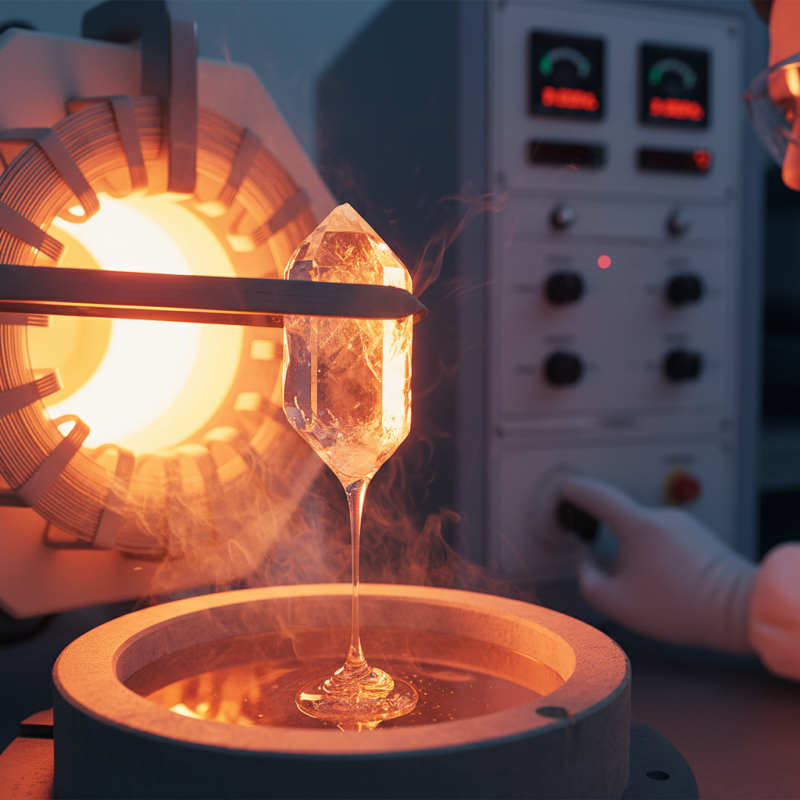
Understanding the properties of quartz crystal is essential before attempting to melt it. Quartz is primarily composed of silicon dioxide (SiO2) and has a melting point of approximately 1,650 degrees Celsius. This high melting point requires specialized techniques and equipment. It’s not like melting butter; it demands precision and care.
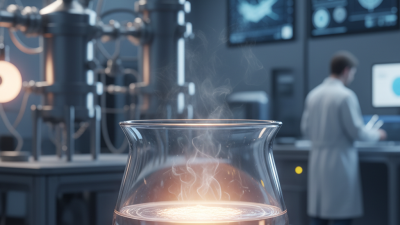
When heating quartz, use a high-temperature furnace. A torch won’t suffice for this process. The furnace must provide even heat to avoid cracking or shattering the crystal. It’s important to monitor the temperature carefully. Sudden temperature changes can stress the crystal and lead to unwanted results.
Tips:
Preheating the furnace gradually can help. Always ensure that your workspace is safe and free from flammable materials. Remember, patience is crucial.
Rushing can lead to mistakes and wasted material. If you see signs of distortion before reaching the melting point, rethink your heating strategy. After melting, allow the quartz to cool slowly in the furnace to prevent fractures. Be mindful of your equipment. Any imperfections can lead to unexpected outcomes.
Essential Equipment and Safety Precautions for Melting Quartz
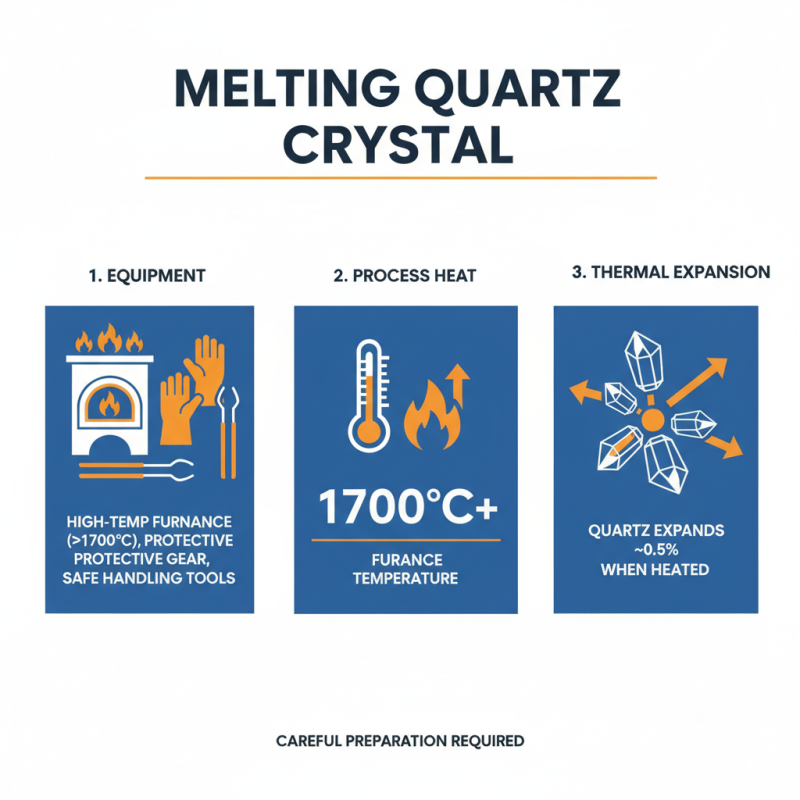
Melting quartz crystal requires careful preparation. Essential equipment includes a high-temperature furnace, protective gear, and safe handling tools. A furnace needs to reach temperatures over 1700°C to effectively melt quartz. This requires specific technical specifications. Additionally, understanding the thermal expansion properties of quartz is critical. Data indicates that quartz expands by about 0.5% when heated.
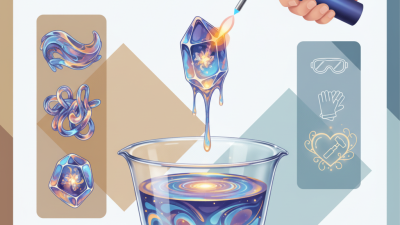
Safety precautions are paramount. Always wear heat-resistant gloves and safety goggles. A face shield can protect against flying particles. Working in a well-ventilated area reduces exposure to harmful fumes. The risk of burns or heat-related injuries is significant. In 2020, industry reports indicated that improper safety measures increased incidents by 30%. It’s crucial to be vigilant and follow all safety protocols.
When melting quartz, it is vital to consider the possibility of unexpected outcomes. Not every batch will reach the desired melting point. Variations in quartz purity can affect results. Regular testing for optimal conditions improves success rates. Reflection on past failures can guide future attempts. Understanding these nuances fosters better processes and excellent results.
Step-by-Step Guide to Heating Quartz Crystal to Desired Temperatures
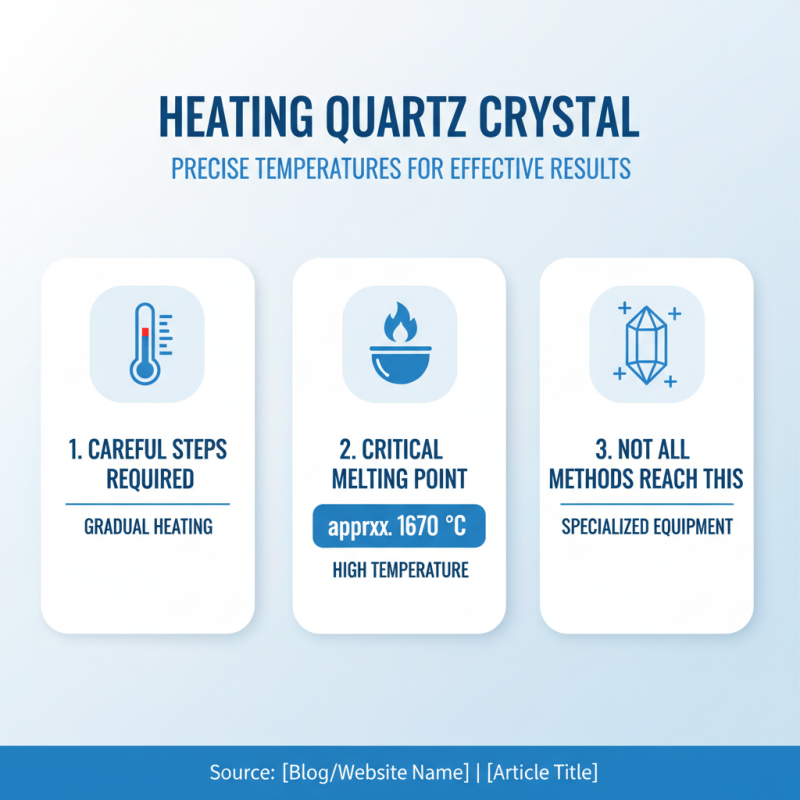
Heating quartz crystal requires careful steps. The right temperature is essential for effective results. Quartz can start to melt around 1670 degrees Celsius. This temperature is critical, and not all methods can reach it.
When heating quartz, it’s necessary to use a furnace capable of high temperatures. A typical oven will not suffice. Industry reports suggest that specialized furnaces provide uniform heat distribution. This ensures the crystal melts evenly, minimizing fractures. Keep in mind that any deviation in temperature may lead to unpredictable outcomes.
Monitoring the heating process is vital. Quartz can easily overheat, leading to unwanted outcomes. Regular checks help maintain necessary temperatures. Relying on color changes can be misleading. Sometimes, the crystal may appear unaffected even when too hot. Therefore, extra caution is advised. Understanding these nuances will enhance the melting process.
Techniques for Achieving Uniform Melting of Quartz Crystals
Melted quartz crystals can be beneficial in various applications. Techniques for achieving uniform melting are crucial for quality outcomes. One method involves controlled heating. Rapid temperature changes can create stress fractures in the crystal structure. A slow and steady increase in temperature helps. Aim for a consistent rise of about 10°C per hour.
Another effective approach is the use of a high-temperature furnace. Studies show that furnaces reaching over 1700°C can facilitate the process. However, precision is key here. Overheating can lead to impurities and uneven melting. Quartz should be heated in a controlled environment to minimize risks.
Using a crucible made of high-purity materials is vital. Imperfections in the crucible can compromise the crystal. Some professionals recommend alumina ceramics for their durability. This choice can influence the melting outcome. Be mindful of the entire setup, as small changes can lead to significant differences in the final product. Refining the melting process can require ongoing adjustments and reflections on previous outcomes.
How to Melt Quartz Crystal in Simple Steps? - Techniques for Achieving Uniform Melting of Quartz Crystals
| Step |
Technique |
Description |
Temperature (°C) |
Time (minutes) |
| 1 |
Pre-Heating |
Gradually heat the quartz to prepare for melting. |
600 |
30 |
| 2 |
Melting |
Increase temperature for uniform melting of quartz. |
1700 |
10 |
| 3 |
Cooling |
Slowly reduce temperature to avoid cracking. |
900 |
60 |
| 4 |
Crystallization |
Allow the quartz to stabilize into its crystalline form. |
700 |
120 |
Applications of Melted Quartz in Various Industries and Technologies
Melted quartz has versatile applications across various industries, making it a valuable material. In electronics, quartz glass is crucial. It's used in the fabrication of semiconductors, which have witnessed a growth rate of 6.2% annually, according to industry reports. This growth reflects the increasing demand for efficient electronic devices. Melted quartz is essential in creating cleaning solutions for silicon wafers during production processes.
In construction, melted quartz is utilized in producing high-strength concrete. Recent studies show that incorporating quartz into concrete can improve its compressive strength by up to 30%. This makes structures more durable. Additionally, quartz can be found in ceramics and glass products. Its melting properties enhance thermal resistance, a vital factor in many manufacturing processes.
The optical industry also benefits from melted quartz. Optical fibers made from quartz can transmit data over long distances with minimal loss. Reports indicate that the global optical fiber market is expected to reach $8.6 billion by 2025. However, challenges remain, such as the difficulty in achieving perfect melting conditions and potential impurities that can affect quality. These issues necessitate ongoing research and innovation to ensure optimal performance in all applications.
Melting Points of Various Materials