10 Essential Tips for Using a Quartz Round Bottom Flask Effectively
The Quartz Round Bottom Flask is a staple in many laboratories. Its unique shape offers advantages for various testing and reactions. However, using it effectively can be a challenge, especially for newcomers. Mastering this tool requires understanding its design and how to maximize its potential.
Using the Quartz Round Bottom Flask effectively not only improves results but also enhances safety. It's essential to explore best practices to ensure optimal use. Proper handling reduces the risk of spills or breakage. Knowing how to equilibrate temperature is essential. A stable environment helps maintain the integrity of your experiment.
Experimenters often overlook minor details, leading to avoidable mistakes. Failing to clean the flask properly can contaminate results. It's crucial to recognize the importance of thorough cleaning. Understanding these aspects fosters a culture of precision in the lab. The Quartz Round Bottom Flask can be a powerful ally when utilized correctly.
Understanding the Structure and Function of a Quartz Round Bottom Flask
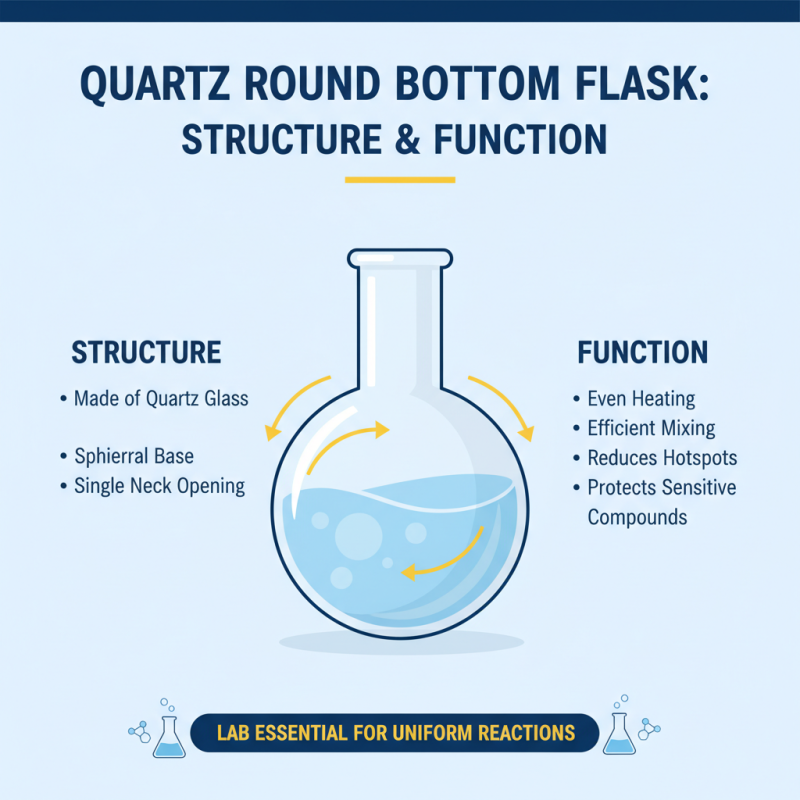
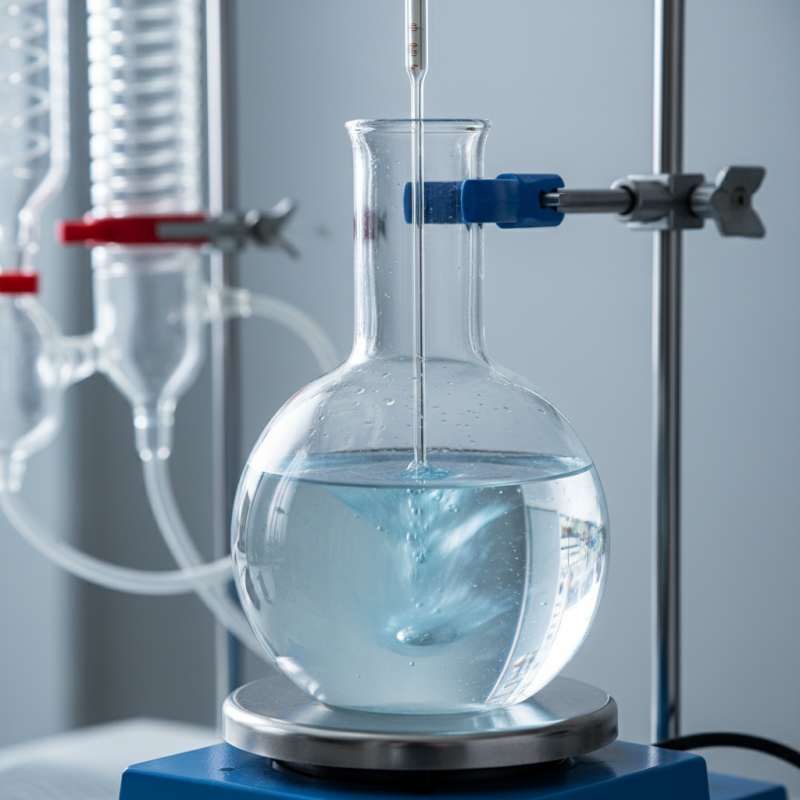
A quartz round bottom flask is a crucial tool in many laboratories. Its design promotes even heating and efficient mixing of substances. The rounded shape allows for better circulation, reducing the risk of hotspots during reactions. This feature is vital when working with sensitive compounds that might degrade under uneven temperatures.
One must grasp the flask’s structure for effective use. Quartz is resistant to thermal shock. However, overzealous heating can still lead to cracks. Users should be cautious when transitioning between high and low temperatures. Inspecting for any visible damage before use is also wise.
Proper handling of the flask can prevent accidents. Always use appropriate clamps or stands to secure it. Remember, pouring can be tricky if you're handling viscous materials. A steady hand is essential to avoid spills. Despite precautions, mistakes happen. Reflecting on these experiences can enhance future practices. Being mindful improves overall lab safety and results.
Selecting the Right Size and Volume for Your Experimental Needs
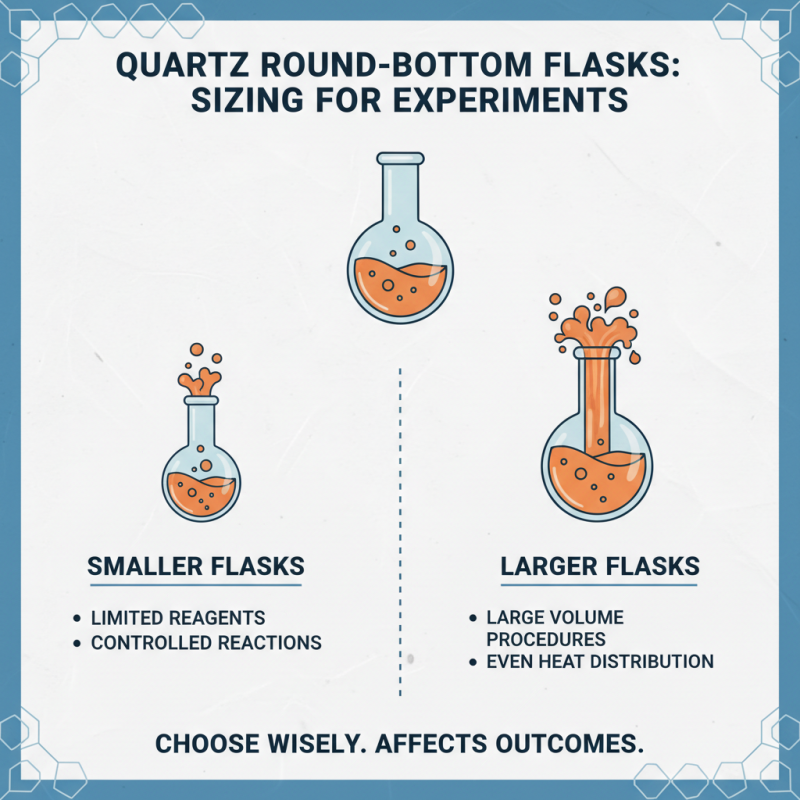
When working with a quartz round bottom flask, selecting the right size and volume is crucial. The flask's size directly affects your experimental outcomes. Smaller flasks can be suitable for reactions with limited reagent amounts. They are less ideal for larger volume procedures, which may lead to overflow or ineffective reactions. The choice of size also impacts heat distribution during heating.
Consider the specific needs of your experiment. A typical 100 ml flask might suffice for small-scale reactions. However, a 500 ml or even a 1000 ml flask is better for larger experiments. Be mindful of the total volume needed for your reagents and any byproducts produced during the reaction. Oversizing can lead to wasted materials and unnecessary costs, while undersizing can cause significant problems.
It is also essential to think about the nature of the substances you are using. Some reactions produce gases or require space for stirring. Evaluate the volume needed beyond just the liquid content. If the system is too confined, it can lead to pressure build-up. Ensuring that you select the correct size before beginning can save time and stress later on.
Proper Heating Techniques for Quartz Round Bottom Flasks
When using a quartz round bottom flask, proper heating techniques are crucial for optimal results. Begin by choosing an appropriate heating method. Bunsen burners, heating mantles, and hot plates are common choices. Ensure that the heat source is compatible with quartz to prevent thermal shock. Quartz can endure high temperatures, but sudden changes can lead to cracking.
Monitor the temperature closely. Quick changes in heat can stress the material. Using a heat gun for gradual heating can be beneficial. Always distribute heat evenly across the flask. Avoid placing the flask directly above a flame. Instead, use a heat diffuser plate. This shields the flask while enhancing heat distribution.
Reflect on your techniques regularly. Mistakes will happen. Perhaps you heated too quickly, causing a chip. Learn from these errors. Keep a log of heating times and results for future reference. Understanding your heating methods will improve with practice. Always prioritize safety. Use personal protective equipment to shield against heat and glass breakage.
Maintaining and Cleaning Your Quartz Round Bottom Flask
Cleaning and maintaining a quartz round bottom flask is crucial for optimal performance. Studies show that improper handling can lead to contamination affecting experimental results. A clean flask ensures the purity of substances used in experiments, minimizing variables that may skew data. Regular cleaning with non-abrasive solvents is recommended. Avoid harsh chemicals that can etch the quartz surface, as even minor scratches can compromise its integrity.
When cleaning, use a soft brush or cloth designed for quartz. Ensure no residue remains following the wash. Rinse multiple times with distilled water for thorough cleaning. Allow the flask to air-dry completely before use, as moisture can interact with materials during experiments.
One tip for maintaining your flask is to store it upright in a padded container. Storing it this way minimizes the risk of breakage and reduces dust accumulation. Inspect your flask regularly for any signs of chips or cracks. Using a damaged flask can lead to hazardous situations. Consider replacing it if any imperfections are found. Regular maintenance not only extends the life of your flask but also ensures consistent results in your experiments.
10 Essential Tips for Using a Quartz Round Bottom Flask Effectively - Maintaining and Cleaning Your Quartz Round Bottom Flask
| Tip Number |
Tip |
Details |
| 1 |
Pre-Cleaning |
Before initial use, rinse the flask with distilled water to remove any contaminants. |
| 2 |
Handle with Care |
Always handle the flask gently to avoid breakage due to thermal shock or impact. |
| 3 |
Use Proper Heat Source |
Use a heating mantle or water bath to ensure even heating and avoid direct flame. |
| 4 |
Avoid Sudden Temperature Changes |
Allow the flask to cool down gradually after heating to prevent cracking. |
| 5 |
Regular Inspection |
Check for any cracks or chips before use to ensure safety and reliability. |
| 6 |
Cleansing Solutions |
Use appropriate cleaning solutions like acetic acid or specialized glassware cleaners. |
| 7 |
Rinsing |
After cleaning, thoroughly rinse the flask with distilled water to remove any residues. |
| 8 |
Drying |
Air dry or use a lint-free cloth to gently dry the flask after washing. |
| 9 |
Proper Storage |
Store upright in a safe location to prevent damage when not in use. |
| 10 |
Labeling |
Label your flask if used for specific chemicals to avoid cross-contamination. |
Safety Precautions When Using a Quartz Round Bottom Flask
When using a quartz round bottom flask, safety is paramount. Always wear appropriate personal protective equipment, such as safety goggles and gloves. These items help protect against spills and splashes. Additionally, ensure that your work area is clean and free of clutter. A tidy workspace allows for better concentration and reduces hazards.
Handling heat is significant due to the flask's glass material. Always use a heat mat or stand when applying heat. Quartz can withstand high temperatures but can still shatter if exposed to sudden changes. Monitor the temperature during experiments closely. If you notice any cracks, stop immediately; a broken flask can lead to dangerous chemical exposure.
A common mistake is neglecting ventilation. Working in a fume hood is essential to ensure that harmful vapors do not accumulate. If a fume hood isn't available, use a well-ventilated area. Be mindful of how you store chemicals too. Improper storage can lead to accidental reactions. Reflect on your practices regularly to improve your safety measures.
Safety Precautions When Using a Quartz Round Bottom Flask