Best Crystal Quartz Glass Benefits and Uses Explained
In the world of design and technology, Crystal Quartz Glass stands out for its remarkable properties. Dr. Emily Carter, a renowned expert in materials science, once said, "The clarity and durability of Crystal Quartz Glass make it an essential choice for modern applications." This statement encapsulates the essence of this versatile material.
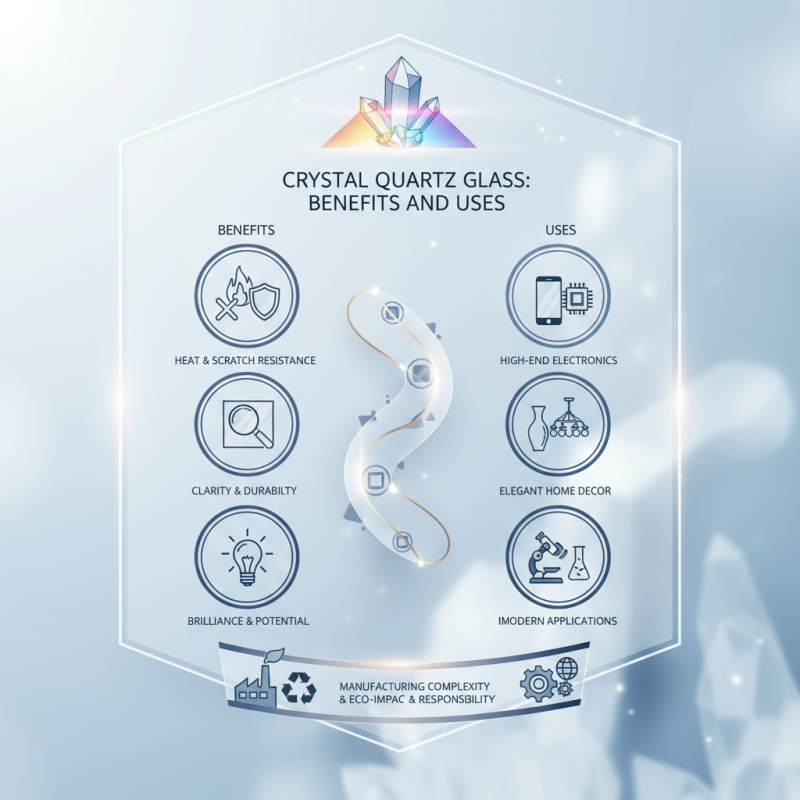
Crystal Quartz Glass is not just aesthetically pleasing. It offers benefits that are hard to ignore. Its resistance to heat and scratches enhances longevity. This glass is commonly found in various applications, from high-end electronics to elegant home decor. Each piece shines with a unique brilliance, illuminating the potential of quartz as a leading material.
However, it is essential to consider the balance of beauty and practicality. The manufacturing process can be complex and not always eco-friendly. As we embrace the advantages, we must also reflect on the implications of using Crystal Quartz Glass on a larger scale. The dialogue about sustainability in this industry is ongoing, reminding us that innovation comes with responsibilities.
Benefits of Crystal Quartz Glass in Industry Applications
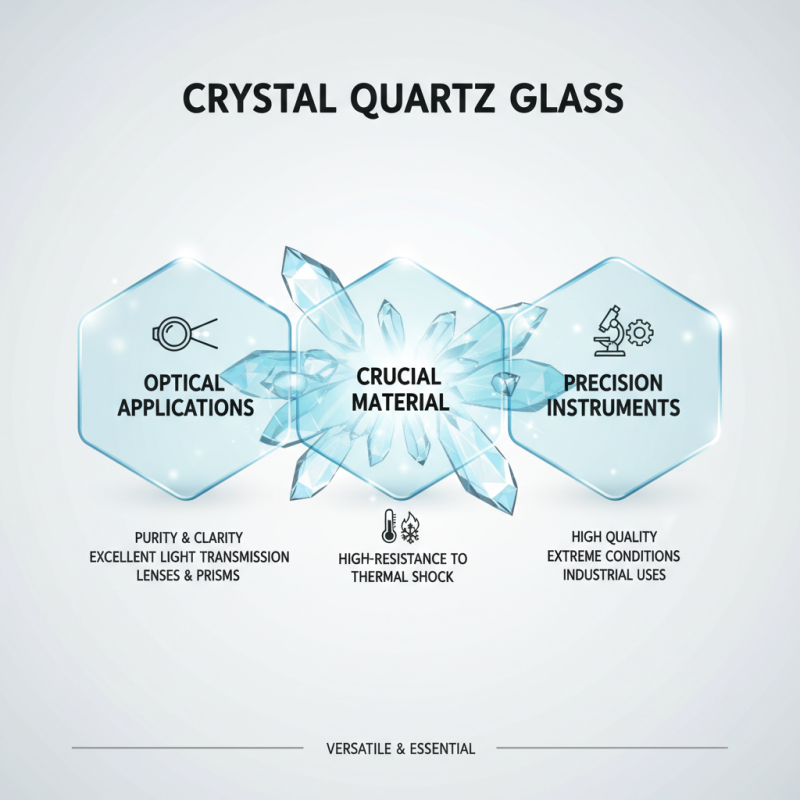
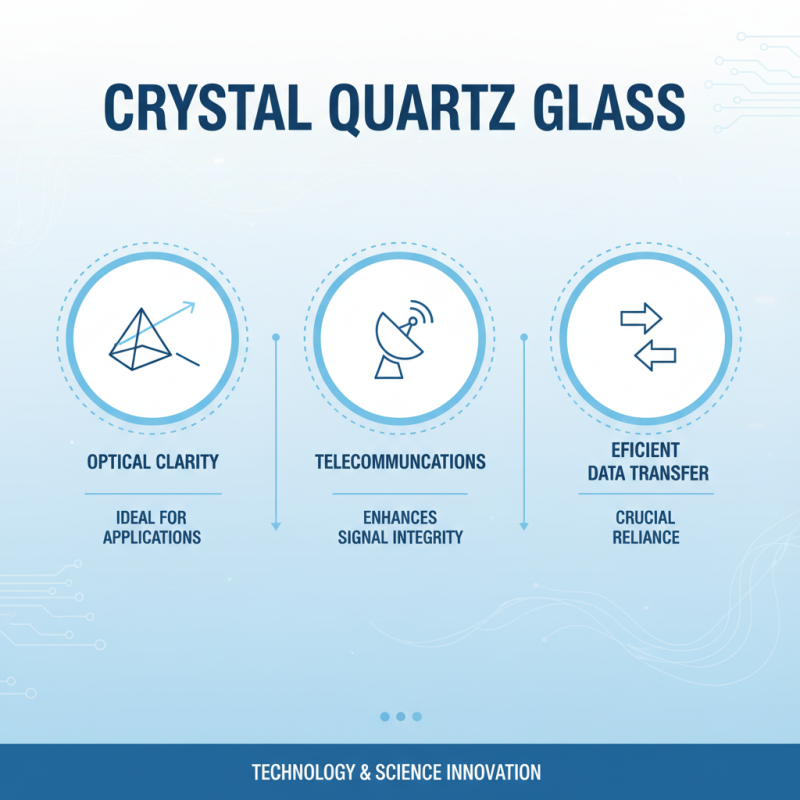
Crystal quartz glass has become a crucial material in various industries. Its purity and clarity make it ideal for optical applications. This unique glass offers excellent light transmission, essential for precision instruments. It is widely used in lenses and prisms, where quality is paramount. The high-resistance property of crystal quartz glass against thermal shock is a notable feature. This characteristic allows it to maintain integrity in extreme conditions.
In electronics, crystal quartz glass plays a significant role. Its stable structure contributes to the reliability of components like capacitors and resonators. These elements are vital in maintaining the function of devices, which rely on precise frequencies. The glass is also used in the manufacturing of specialized equipment. It is preferred for items needing superior transparency. This quality ensures minimal distortion and improved performance.
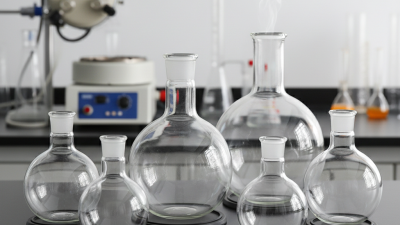
Applications in the medical field highlight another advantage. Crystal quartz glass is used in laboratory equipment, such as cuvettes, for accurate measurements. However, crafting high-quality crystal quartz glass can be challenging. The manufacturing process requires meticulous control. Any misstep can lead to defects, affecting the final product's performance. The industry must constantly adapt and improve to address these challenges.
Thermal and Optical Properties of Crystal Quartz Glass Explained
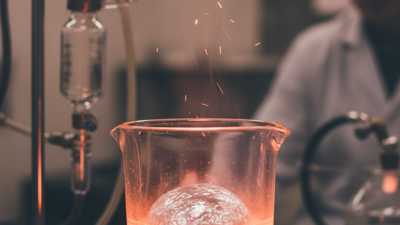
Crystal quartz glass is known for its unique thermal and optical properties. This material can withstand extreme temperatures, making it suitable for various applications. Its low thermal expansion helps maintain stability during temperature changes. This quality is crucial for laboratories and industries that require precision.
Additionally, crystal quartz glass offers excellent light transmission. It has a high refractive index, allowing it to bend light effectively. This property is essential in optics, as it enhances the performance of lenses and prisms. However, improper handling can lead to scratches, which degrade optical clarity.
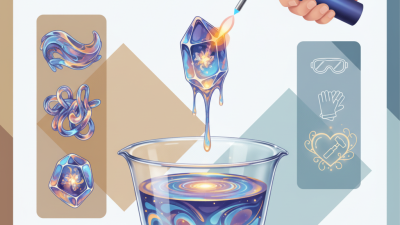
Tips: When using crystal quartz glass, always wear gloves. This avoids fingerprints that can impair clarity. Store glass in a secure location to prevent chips. Clean it with a soft cloth, avoiding harsh chemicals. Being mindful of these details ensures longevity and optimum performance.
Durability and Chemical Resistance of Crystal Quartz Glass
Crystal quartz glass is known for its impressive durability. It resists scratches and impacts remarkably well. This makes it a preferred choice in various applications, from home decor to laboratory equipment. With proper care, items made of crystal quartz glass can last for many years.
Chemical resistance is another key benefit. Crystal quartz glass withstands a range of acids and bases. This characteristic ensures that it does not corrode easily. However, it is essential to avoid contact with hydrofluoric acid. Prolonged exposure might lead to damage.
**Tips:** When cleaning crystal quartz glass, use a soft cloth. Avoid abrasive cleaners that can scratch the surface. Store items in a dry place to prevent dust accumulation. Reflect on your usage; ensure that your crystal quartz glass remains in top condition by handling it gently.
Best Crystal Quartz Glass Benefits and Uses Explained
| Property |
Description |
Uses |
| Durability |
Highly resistant to breakage and chipping. |
Used in windows, countertops, and various household items. |
| Chemical Resistance |
Resistant to acids, bases, and other chemicals. |
Ideal for laboratory equipment and containers. |
| Thermal Stability |
Can withstand high temperatures without losing structural integrity. |
Used in cookware and industrial applications. |
| Aesthetic Appeal |
Clarity and brilliance, often used for decorative items. |
Popular in jewelry and art pieces. |
| Low Maintenance |
Easy to clean and maintain over time. |
Favored in both residential and commercial settings. |
Comparative Analysis: Crystal Quartz Glass vs. Other Glass Types
Crystal quartz glass offers unique advantages over traditional glass types. Its clarity is unparalleled, making it ideal for precision applications. You can see the fine details clearly. This is particularly useful in optics and high-end electronics. Additionally, crystal quartz glass has a higher resistance to thermal shock. It withstands temperature changes better than regular glass. This makes it suitable for both industrial and laboratory settings.
However, it’s important to consider its fragility. While it’s strong under pressure, it can be brittle. Care is needed during handling. Compared to tempered glass, crystal quartz glass may not offer the same level of impact resistance. Its cost is another factor. Higher manufacturing costs can limit its widespread use. Despite these drawbacks, its aesthetic appeal and specialized properties make it a preferred choice for many applications. There are benefits and challenges with crystal quartz glass that require thoughtful assessment before usage.
Comparison of Different Glass Types