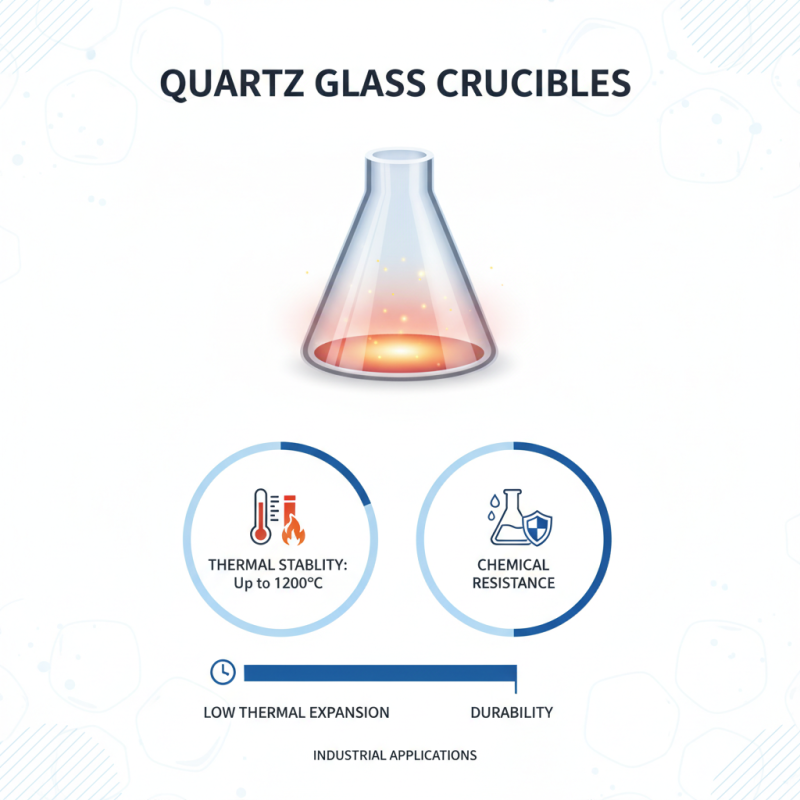
2026 Top Quartz Glass Crucible Features and Benefits?
The Quartz Glass Crucible has become a crucial component in various industrial applications. According to recent industry reports, the demand for high-quality quartz glass materials is on the rise. Projections indicate a compound annual growth rate of 7.5% in the quartz glass market from 2021 to 2026. This growth reflects the increasing need for advanced materials that can withstand extreme temperatures and harsh chemical environments.
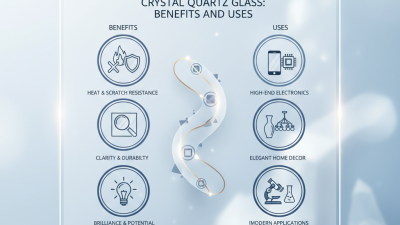
Key features of Quartz Glass Crucibles include high thermal resistance and excellent chemical stability. These characteristics make them ideal for use in labs and manufacturing processes. However, it is essential to recognize that not all quartz glass crucibles are created equal. Some products may fall short in quality, leading to issues during critical experiments. Careful selection and sourcing are necessary to avoid these pitfalls.
The benefits of using Quartz Glass Crucibles are numerous. They enhance precision in experiments and yield reliable results. Yet, the market is flooded with options, which complicates the decision-making process. Users must always weigh their choices carefully, reflecting on the long-term implications of their investments in quartz glass technology.
Key Characteristics of 2026 Top Quartz Glass Crucibles
Quartz glass crucibles are crucial in high-temperature applications, especially in the semiconductor industry. They can withstand temperatures exceeding 1100°C without deforming. This characteristic is essential for processes like crystal growth and material synthesis. According to a 2022 industry report, the demand for quartz glass crucibles is projected to grow by 5.5% annually, driven by technological advancements.
The purity of quartz glass is another critical feature. High-purity quartz glass contains fewer impurities, which improves performance in various applications. This purity level is essential in producing high-quality silicon wafers. However, achieving this purity can be challenging and requires precise control during the manufacturing process. The harsh production environment can lead to variability, which manufacturers must continuously address.
Additionally, quartz glass crucibles offer excellent thermal shock resistance. This property allows them to handle rapid temperature changes without cracking. It is impressive but not infallible. Some users have reported difficulties when using these crucibles in extreme conditions. Recognizing these limitations is vital for optimizing their use and ensuring the best results in demanding applications.
2026 Top Quartz Glass Crucible Features and Benefits
| Feature |
Benefit |
Application |
Temperature Resistance |
| High Purity Quartz |
Minimizes contamination in high-temperature applications |
Semiconductor fabrication |
Up to 1,100°C |
| Durable Design |
Longer service life and reduced replacement costs |
Chemical analysis |
Up to 1,400°C |
| Low Thermal Expansion |
Enhances stability during heating and cooling |
Metallurgical processes |
Up to 1,200°C |
| Chemical Resistance |
Suitable for a wide range of chemical processes |
Laboratory experiments |
Up to 1,100°C |
| Lightweight |
Easier handling and transportation in labs |
Material testing |
Up to 1,100°C |
Advantages of Using Quartz Glass Crucibles in High-Temperature Applications
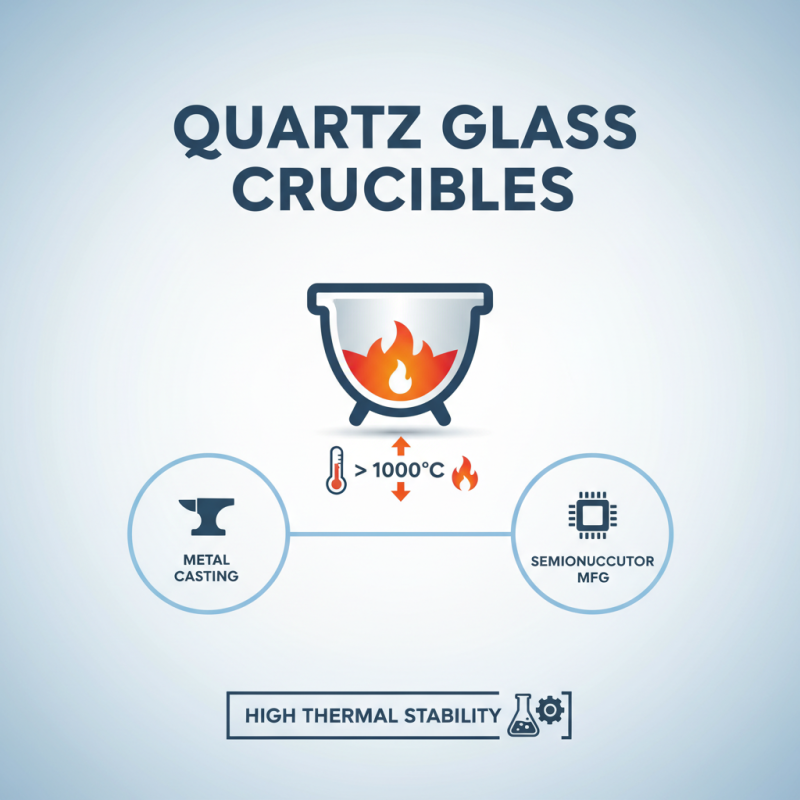
Quartz glass crucibles are ideal for high-temperature applications. Their ability to withstand extreme conditions makes them a preferred choice. Unlike other materials, quartz glass maintains its integrity at temperatures exceeding 1,000°C. This high thermal stability is crucial in various industrial processes, such as metal casting and semiconductor manufacturing.
One notable benefit is their excellent chemical resistance. Quartz glass does not react easily with most substances. This quality ensures that no contaminations alter the results of critical experiments. Additionally, the clarity of quartz glass allows for precise observations. However, handling quartz requires care. It is prone to thermal shock if not heated gradually. This can lead to breakage and loss of valuable materials.
Another advantage is the low thermal expansion coefficient. This property minimizes the risk of deformation under heat. When using quartz crucibles, many achieve more consistent results. Yet, users often overlook their necessity in the lab. Some may assume that any crucible will suffice. This assumption could lead to undesirable outcomes. Choice of material truly matters in high-stakes environments.
Comparative Analysis of Quartz Glass Crucibles and Other Materials
Quartz glass crucibles are gaining traction in various industrial applications. Their thermal stability and resistance to chemical corrosion are key advantages. Studies show that quartz glass can withstand temperatures up to 1,200 degrees Celsius. This feature makes it ideal for high-temperature processing. Additionally, it exhibits low thermal expansion, ensuring durability over time.
When compared to other materials, quartz glass holds a unique position. For example, traditional ceramic materials can crack under extreme heat. In contrast, quartz glass remains stable. Moreover, it offers superior optical clarity, which is beneficial in applications requiring precision. Less than 5% of quartz crucibles may show defects after rigorous testing, a statistic that indicates their reliability.
However, the production process of quartz glass can be energy-intensive. This raises questions about environmental impacts. While quartz glass has many strengths, it is not without flaws. The cost may also be prohibitive for some applications. Further research is necessary to develop more sustainable manufacturing methods. Balancing performance and sustainability remains a challenge.
Applications of Quartz Glass Crucibles in Various Industries
Quartz glass crucibles are vital in many industries. They are used primarily in semiconductor manufacturing. According to industry reports, the semiconductor market reached
$500 billion in 2023, showing rapid growth. Quartz glass can endure high temperatures and harsh chemicals, making it essential for this field.
In solar energy, quartz glass crucibles are crucial for producing high-purity silicon. This material forms the backbone of solar panels. Research indicates that solar energy is projected to grow by
20% annually. This growth is driving demand for high-quality quartz products, underlining their significance in renewable energy.
Tips: Always consider the purity levels when selecting quartz glass crucibles. Impurities can affect product quality. Furthermore, evaluate thermal compatibility with your processes to avoid unexpected failures.
Another point of concern is the potential for fragility. Careful handling is necessary to prevent breakage during use.
Future Trends in Quartz Glass Crucible Technology and Development
The future of quartz glass crucible technology is evolving rapidly. Innovations focus on enhancing durability and thermal efficiency. New materials are being explored, promising longer lifespans and reduced thermal shock. Integration with nanotechnology could lead to significant improvements. These advancements will help meet the demands of high-temperature applications in various industries.
Tips: When selecting quartz glass crucibles, consider their thermal conductivity and resistance to chemical corrosion. Prioritize suppliers who offer rigorous testing data.
A potential challenge is the environmental impact of production processes. Striking a balance between efficiency and sustainability is crucial. Investing in eco-friendly raw materials could be a game-changer. Research into biodegradable options is still in its infancy, but it shows promise.
Tips: Stay updated on sustainable practices in the quartz glass industry. Regularly check for new materials that align with environmental standards.
2026 Top Quartz Glass Crucible Features and Benefits
This bar chart illustrates the primary features and benefits of quartz glass crucibles anticipated for 2026. The metrics used include High Thermal Stability, Chemical Resistance, Lightweight, Thermal Efficiency, and Cost-Effectiveness, each represented as a percentage indicating their projected importance in the industry.